
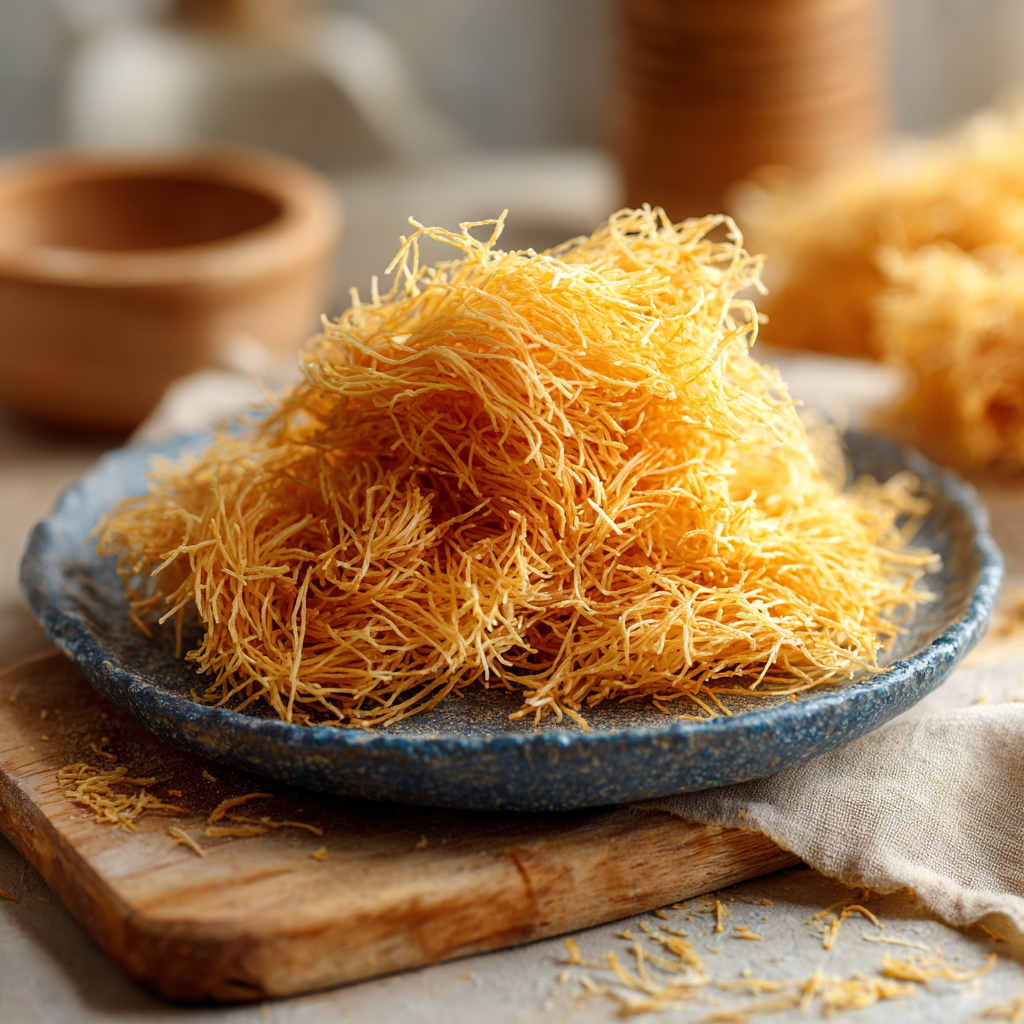
If you have ever marveled at the delicate, crispy threads of kataifi and wondered about crafting this Middle Eastern treasure in your own kitchen, you are in for a treat. How To Make Kataifi From Scratch is not only a rewarding experience but also a fantastic way to bring a unique texture and flaky goodness to your homemade desserts or appetizers. This recipe uncovers the magic of turning simple pantry ingredients into luscious, golden strands that will elevate any dish and impress everyone at your table.
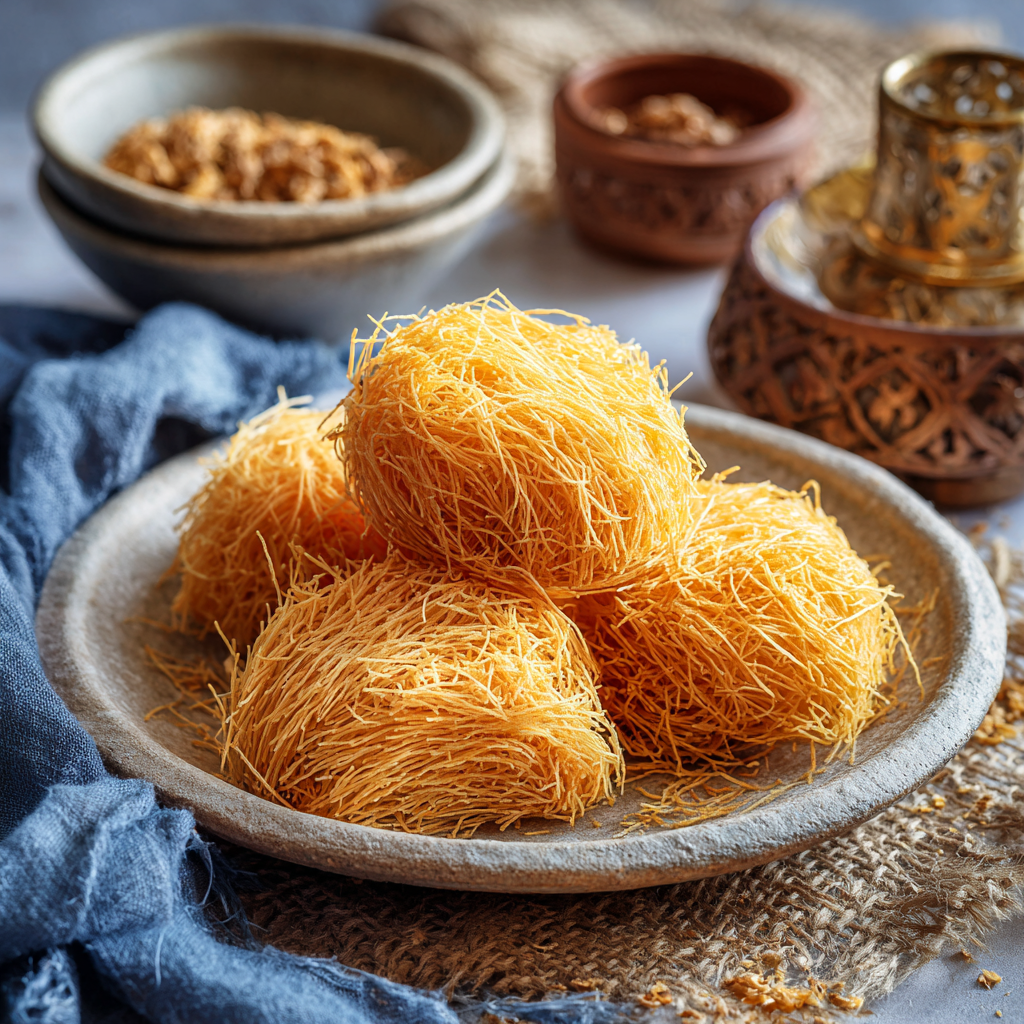
Ingredients You’ll Need
Believe it or not, the ingredients to master How To Make Kataifi From Scratch are few and straightforward, yet each one plays a crucial role in achieving that perfect lightness, crispness, and flavor. From the flour’s structure to the slight sweetness, every component matters.
- ¾ cup all-purpose flour: Provides the essential structure and body needed for the kataifi batter.
- ⅔ cup cornstarch: Adds a delicate crispness by lightening the texture of the pastry strands.
- 1 tsp sugar: Gives a subtle sweetness, balancing the savory notes and enhancing the golden color once cooked.
- ½ tsp salt: Amplifies the flavor, making sure your kataifi isn’t flat or bland.
- 1 tbsp vegetable oil: Contributes moisture and helps achieve the perfect pliability in the mixture for easy piping.
- 1 cup water: The liquid base that transforms your dry ingredients into the delicate batter needed for kataifi’s signature thin strands.
How to Make How To Make Kataifi From Scratch
Step 1: Mix the Dry Ingredients
To start your adventure in How To Make Kataifi From Scratch, whisk together the all-purpose flour, cornstarch, sugar, and salt in a medium bowl. Getting these dry ingredients well combined is key to ensuring your batter is smooth and consistent, which will directly affect the delicate texture of your kataifi strands.
Step 2: Add the Wet Ingredients
Next, pour in the vegetable oil and water to your dry mixture. Whisk this combination vigorously until the batter is completely smooth. The smoothness here guarantees that when you pipe the strands, they’ll be thin and uniform without any lumps disrupting the formation of the kataifi threads.
Step 3: Prepare to Pipe
Transfer your batter through a sieve into a piping bag. Using a sieve helps avoid clumps and ensures an even flow. Cut a tiny opening at the bag’s tip—the smaller the hole, the thinner your kataifi strands will be, mimicking that wonderfully shredded texture which is the hallmark of kataifi.
Step 4: Cook the Kataifi Strands
Set a non-stick pan over low heat, which is critical for slowly cooking the batter without burning or sticking. Pipe the batter onto the pan in a quick zig-zag motion to create those signature thin strands. Cook gently until you can lift the kataifi easily from the pan’s surface without tearing. This delicate dance of cooking and lifting builds that crisp but tender texture you’re after.
Step 5: Repeat Until Batter Is Used
Continue piping, cooking, and transferring the strands to a plate in batches until all of the batter has been transformed into beautifully cooked kataifi ready for your next creative steps.
How to Serve How To Make Kataifi From Scratch
Garnishes
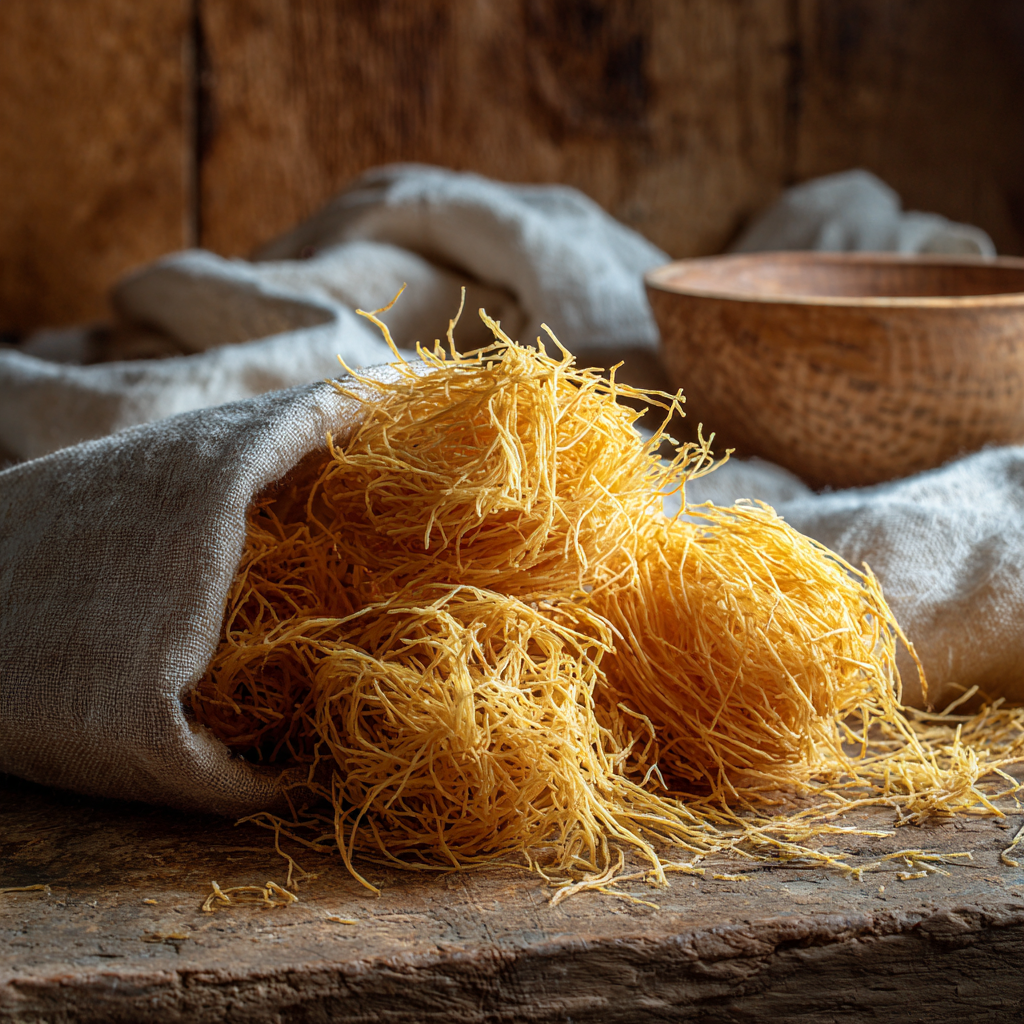
Once you’ve crafted your kataifi strands, you can elevate them further with simple garnishes. Toasted nuts like pistachios or almonds add a lovely crunch and color contrast to the golden kataifi. A drizzle of honey or a sprinkle of powdered sugar brings out sweetness, especially if you’re creating a dessert. Fresh mint leaves can offer a refreshing burst of flavor and a pop of green that’s hard to resist.
Side Dishes
Kataifi is incredibly versatile when it comes to pairing. For sweet preparations, serve with a scoop of vanilla ice cream or a dollop of Greek yogurt to complement the crispy texture. For savory options, pair your homemade kataifi with tzatziki sauce or a fresh cucumber salad to create a balanced and inviting plate.
Creative Ways to Present
Presentation can be as imaginative as you like when it comes to kataifi. Use the strands to line muffin tins for individual nests filled with cheese or nuts, or roll them into tight bundles brushed with butter for a more rustic look. Serving kataifi wrapped around fillings like shrimp or spiced meat can turn an ordinary appetizer into a crowd-pleasing spectacle that everyone will be talking about.
Make Ahead and Storage
Storing Leftovers
If you find yourself with some leftover kataifi, it’s best to store it in an airtight container at room temperature for up to two days. This will help maintain the crisp texture without sogginess. Avoid placing leftover kataifi in humid areas, as moisture will quickly degrade its unique texture.
Freezing
You can freeze uncooked kataifi strands shaped on parchment paper in a single layer to prevent sticking. Once frozen solid, transfer them to a freezer-safe bag or container. When you’re ready to cook, thaw briefly at room temperature and cook as usual. This makes How To Make Kataifi From Scratch an even more convenient recipe to prepare in advance.
Reheating
To reheat cooked kataifi and regain some of that crispness, place it in a preheated oven at 350°F (175°C) for about 5–7 minutes. Avoid microwaving, which can make the kataifi soggy and chewy, undermining all your hard work.
FAQs
Can I use other flours to make kataifi?
All-purpose flour is preferred for its balance of texture and gluten, but you can experiment with pastry flour for a lighter result or a gluten-free blend if needed. Just expect slight differences in texture and flexibility.
What if my kataifi sticks to the pan?
Make sure your pan is well-heated on low before piping the batter. A good non-stick pan and a small amount of oil brushed lightly can help prevent sticking, which is crucial when learning How To Make Kataifi From Scratch.
How thin should the kataifi strands be?
Very thin strands are essential to achieving the signature flaky texture. Aim for the strands to be about as fine as vermicelli noodles or thinner. Using a small opening in the piping bag is the best way to control this.
Can I bake instead of fry kataifi?
Absolutely! While frying gives a wonderfully crisp finish, baking kataifi at 350°F (175°C) until golden offers a healthier alternative with great results, especially when brushed with butter or oil before cooking.
Is kataifi only for desserts?
Not at all! Kataifi shines in savory dishes as well. It’s fantastic wrapped around seafood, stuffed with cheese, or used in layered savory pies, making How To Make Kataifi From Scratch a versatile cooking skill.
Final Thoughts
There is something truly special about creating kataifi from the very beginning with your own hands. Every thin strand carries the love and intention that makes this Middle Eastern delicacy stand out. I promise that once you master How To Make Kataifi From Scratch, you’ll find endless ways to delight your family and friends with this crispy, flaky magic. So roll up your sleeves, have fun, and enjoy every step of this wonderful culinary journey!