
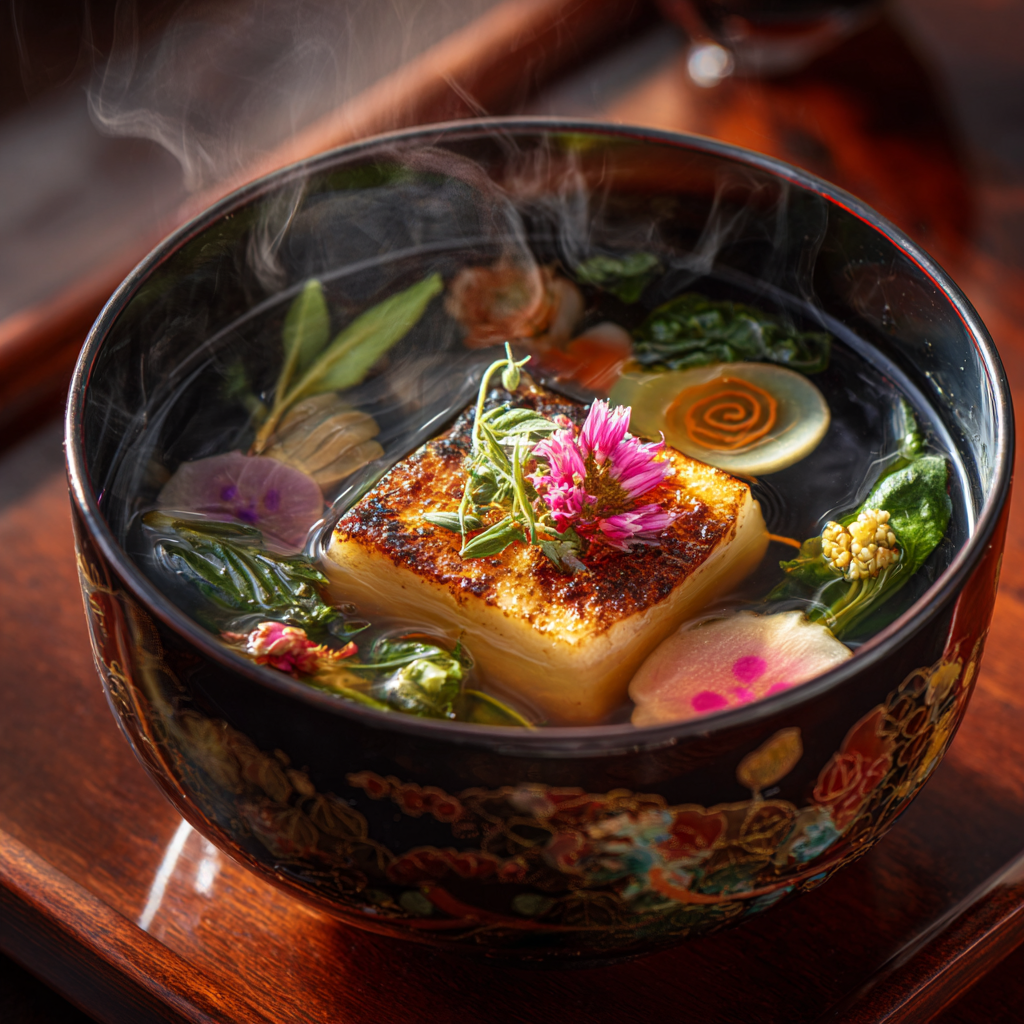
If you’re craving a breakfast experience that feels effortlessly elegant and deliciously unique, Onsen Tamago is exactly what you need. This classic Japanese hot spring egg delivers a delightfully silky yolk surrounded by tender whites, creating a texture that’s simply unmatched by your everyday boiled egg. Whether you’re familiar with Japanese ryokans or just eager to try something new, making Onsen Tamago at home is a warm invitation to savor Japanese tradition in each bite.
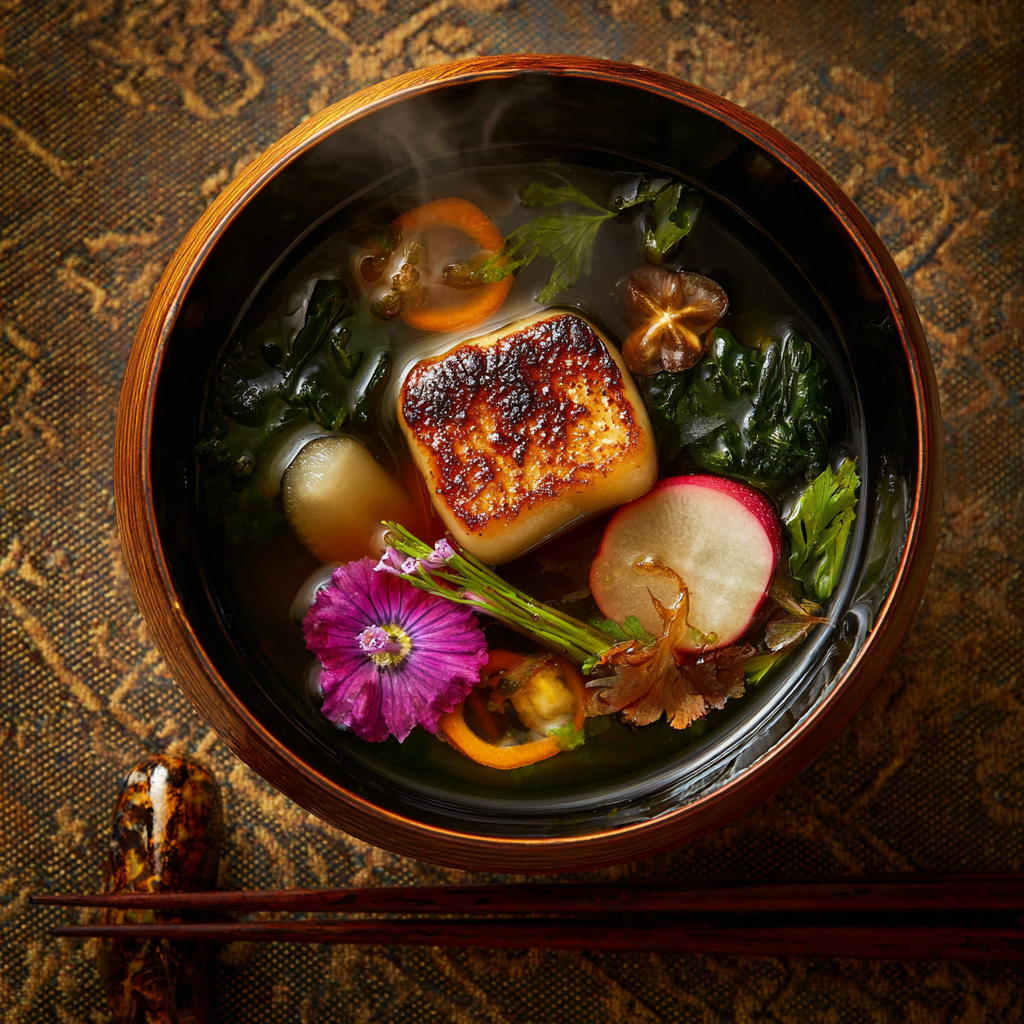
Ingredients You’ll Need
Making Onsen Tamago is all about simplicity and harmony in flavors. Each ingredient plays a crucial role, from creating the perfect delicate sauce to gently cooking the egg to that ideal custard-like consistency.
- Large eggs: Fresh eggs are the heart of this dish; their quality affects the texture and taste.
- Dashi stock: A light broth made from kombu and bonito flakes, adding umami depth to the sauce.
- Soy sauce: Provides a savory, salty layer that complements the subtle sweetness of the egg.
- Mirin: A sweet rice wine that balances the soy sauce with a gentle sweetness.
- Water: Used to dilute the dashi and create the perfect sauce consistency.
How to Make Onsen Tamago
Step 1: Prepare the Dashi-Based Sauce
Start by gently warming dashi stock in a small saucepan. Combine it with soy sauce, mirin, and a little water to create a delicate dipping sauce. This sauce enhances the subtle flavors of the Onsen Tamago without overpowering the egg’s natural creaminess. Warm it through but avoid boiling to retain that fresh umami taste.
Step 2: Heat the Water Bath
The hallmark of Onsen Tamago is its unique cooking technique—slowly cooking eggs at a precise low temperature. Heat water to about 70°C (160°F) in a pot larger than your eggs but not boiling. This gentle heat mimics the natural hot springs where the dish originates, ensuring the egg whites set softly while the yolks remain lusciously custardy.
Step 3: Slow Cook the Eggs
Carefully place your eggs into the water bath and let them steep for about 15-20 minutes. Resist the temptation to stir or disrupt the water; consistent temperature is key. This method creates that signature soft texture and rich flavor that defines Onsen Tamago.
Step 4: Cool and Peel
Once cooked, transfer the eggs immediately to a bowl of cold water to stop the cooking process. After cooling, gently crack and peel the shells. You’ll find that the whites are tender yet just set, while the yolk holds a silky, semi-runny consistency.
Step 5: Serve with Sauce
Place each peeled egg into a small bowl and ladle the warm dashi-based sauce over the top. The heat from the sauce further enhances the egg’s texture and blends the flavors beautifully, creating the perfect harmony that makes Onsen Tamago so unforgettable.
How to Serve Onsen Tamago
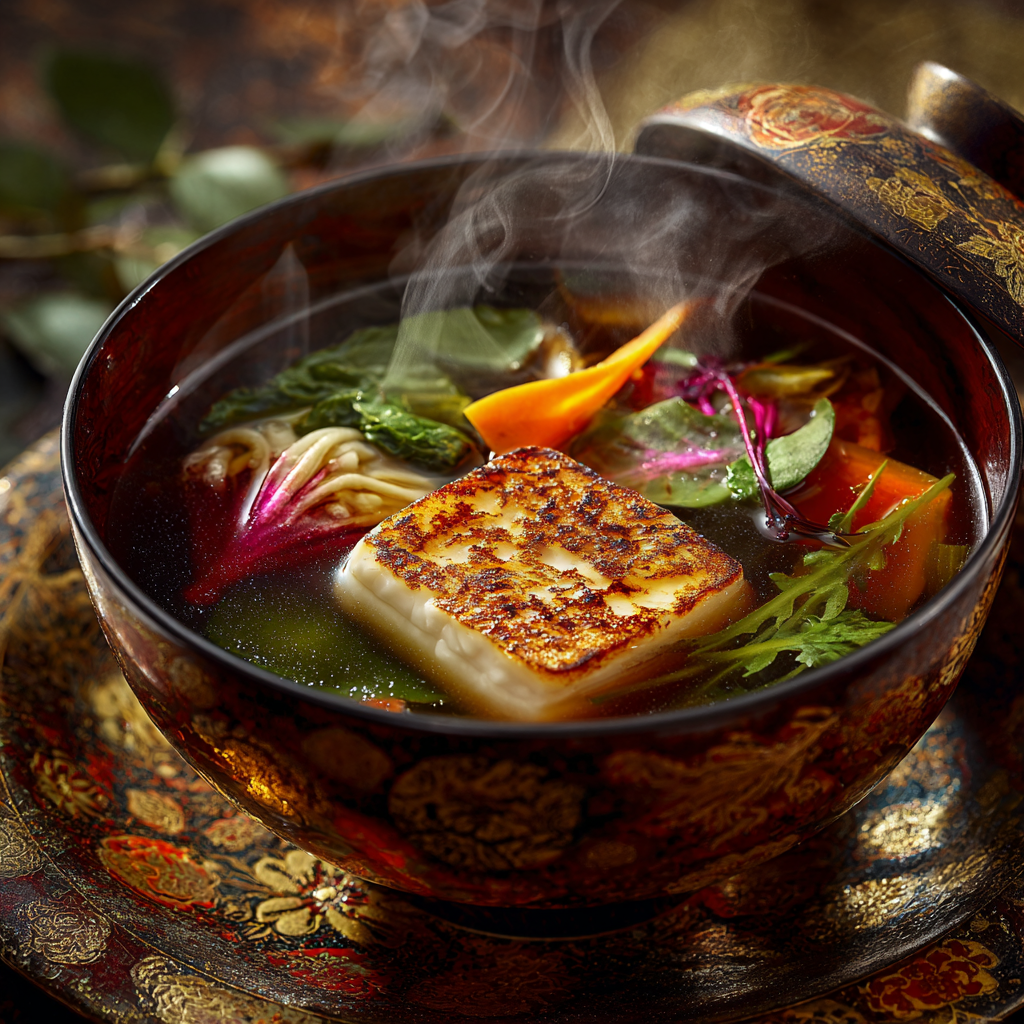
Garnishes
A simple sprinkle of finely sliced green onions adds fresh crunch and vibrant color to your Onsen Tamago. For an extra kick, try a dash of shichimi togarashi, a Japanese seven-spice blend, which amps up the flavors without overwhelming the delicate egg.
Side Dishes
Onsen Tamago pairs beautifully with steamed rice, providing a comforting base that soaks up the sauce. You can also serve it alongside miso soup or fresh pickled vegetables for a balanced traditional Japanese breakfast experience.
Creative Ways to Present
While traditionally served in small bowls, Onsen Tamago can also shine as a topping on cold noodles or salad bowls. Drizzling the rich egg and umami sauce over your dish adds luxurious texture and flavor that transforms simple meals into something special.
Make Ahead and Storage
Storing Leftovers
If you have leftover Onsen Tamago, store the peeled eggs submerged in the sauce in an airtight container in the refrigerator. Ideally, consume them within 24 hours to enjoy the best texture and flavor.
Freezing
Freezing Onsen Tamago is not recommended because the delicate texture of the yolk and whites will be compromised, becoming rubbery or watery upon thawing.
Reheating
To gently reheat, place the egg and sauce in a bowl over warm water for a few minutes, avoiding direct heat. This prevents overcooking while bringing the dish back to its ideal serving temperature.
FAQs
What is Onsen Tamago exactly?
Onsen Tamago is a Japanese hot spring egg cooked slowly in warm water to achieve a unique texture with soft whites and a silky, semi-set yolk, typically served in a light dashi-based sauce.
Can I make Onsen Tamago without a thermometer?
It’s possible but less reliable—you want to maintain the water temperature around 70°C (160°F). Using a thermometer ensures consistent results, but careful attention and a bit of trial can also work.
Is Onsen Tamago safe to eat with a runny yolk?
Yes, when cooked properly at the right temperature, Onsen Tamago is safe to eat. The slow, gentle heat pasteurizes the egg without overcooking it.
What can I use if I don’t have dashi stock?
If dashi is unavailable, you can make a quick substitute by soaking kombu (kelp) in water or using a light vegetable broth, though traditional dashi offers the most authentic umami flavor.
How soon after cooking should I eat Onsen Tamago?
Best enjoyed fresh and warm, immediately after preparation, while the texture is perfect and the sauce is flavorful. However, it can last refrigerated for up to a day.
Final Thoughts
Onsen Tamago is one of those dishes that feels like a gentle hug from Japan’s culinary heritage. Its delicate texture and subtle flavors invite you to slow down and savor each bite. Whether you’re starting your morning or looking to add something special to your meals, trying Onsen Tamago at home is a wonderful way to connect with an authentic, time-honored tradition. I can’t wait for you to enjoy it as much as I do!