
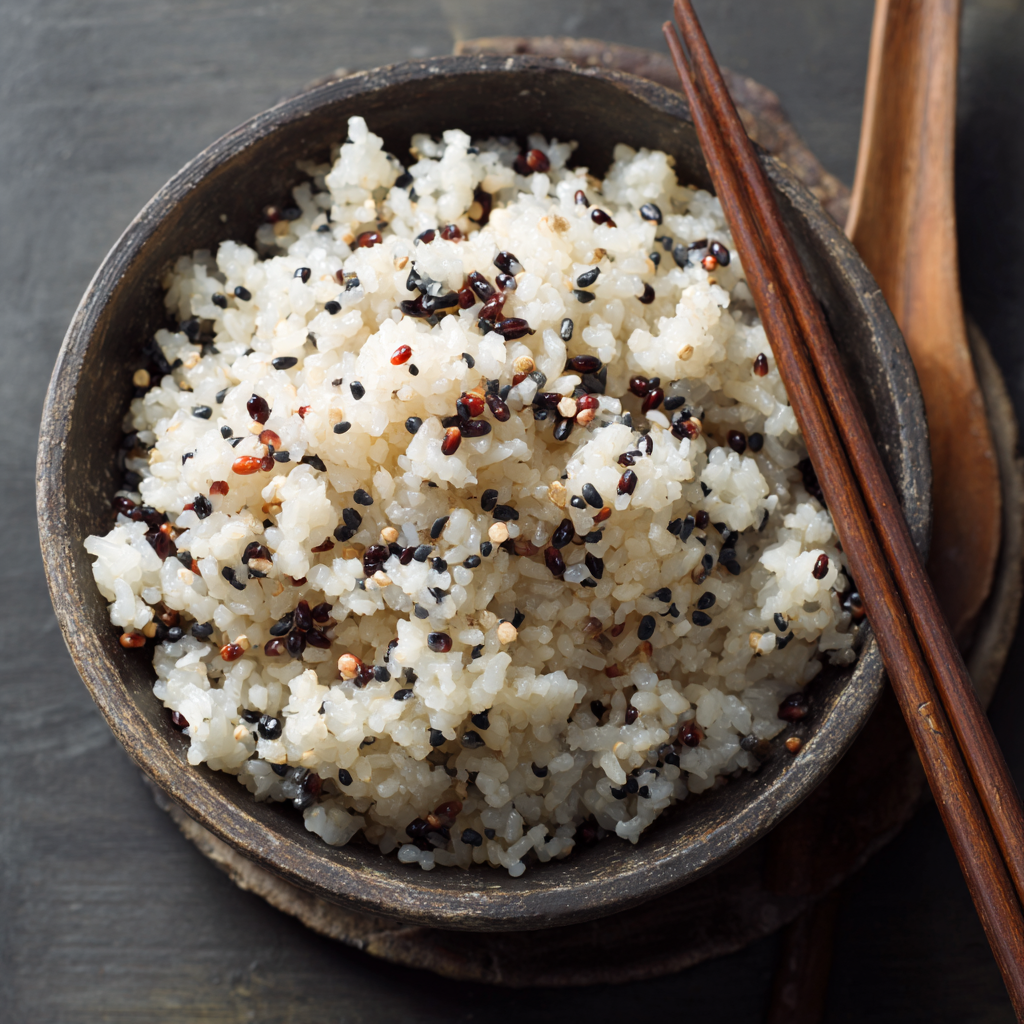
If you’ve ever wanted to add a burst of flavor to your breakfast or elevate a simple bowl of rice, Salmon Flakes are the perfect go-to. These lightly salted, flaky morsels bring a delicate, savory touch that makes every bite memorable. Whether you’re new to Japanese-inspired cuisine or just seeking a quick way to brighten up your meals, Salmon Flakes deliver that lovely balance of taste and texture that feels both comforting and exciting. Once you try them, you’ll wonder how you ever enjoyed plain rice without them!
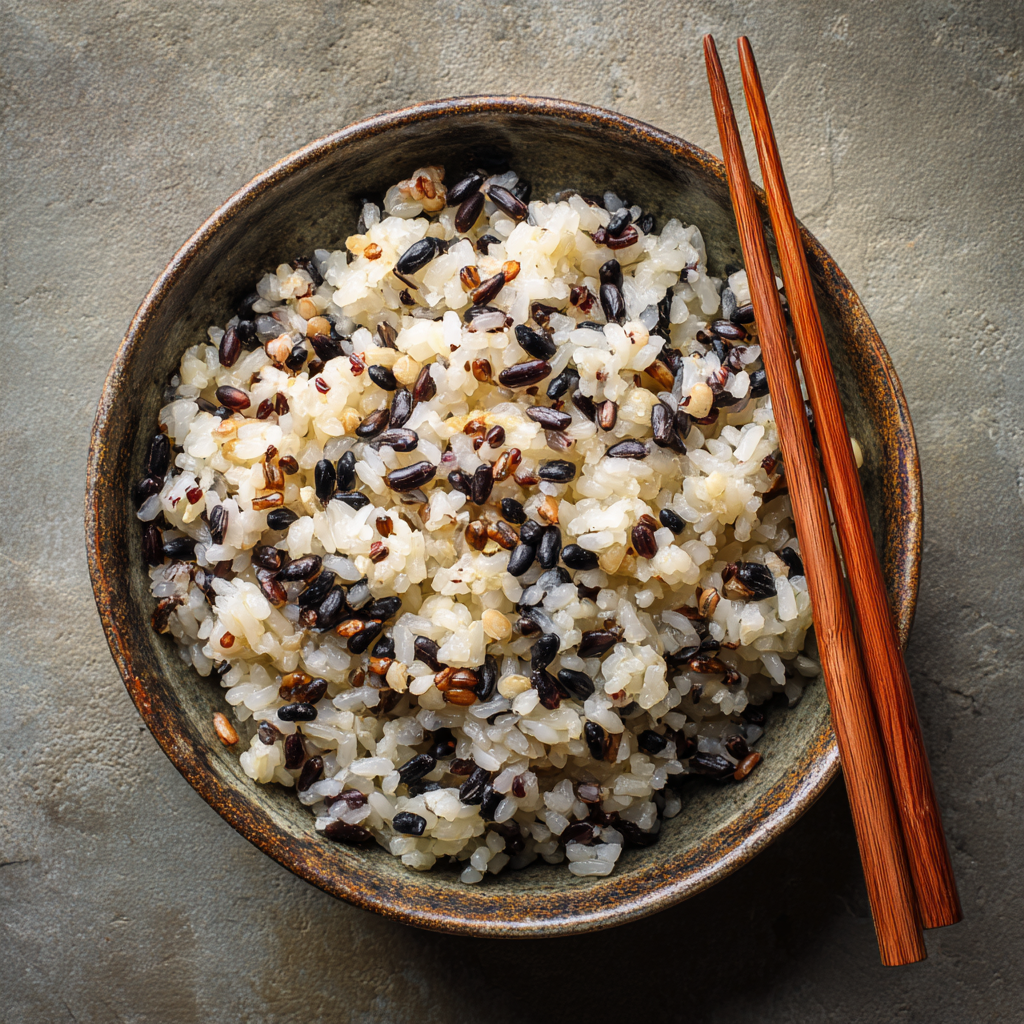
Ingredients You’ll Need
The beauty of Salmon Flakes lies in their simplicity. Each ingredient plays a vital role to create that deliciously seasoned, flaky finish that melts in your mouth. These few items come together harmoniously to bring out the natural richness of the salmon while adding layers of umami and a subtle hint of sweetness.
- Fresh salmon fillets: The heart of this dish, providing tender flakes and rich flavor.
- Soy sauce: Adds a salty, umami punch that enhances every bite.
- Mirin: A sweet Japanese rice wine that balances the saltiness nicely.
- Sake: Introduces subtle depth while tenderizing the salmon flakes.
- Sugar: Just a touch to bring out the natural sweetness in the fish.
- Sesame oil: For a gentle nuttiness that rounds out the overall taste.
How to Make Salmon Flakes
Step 1: Preparing the Salmon
Start by rinsing your fresh salmon fillets under cold water and patting them dry with paper towels. This step ensures you remove any excess moisture for better texture when cooking. Then, cut the salmon into large chunks to help it cook evenly and make flaking easier later on.
Step 2: Cooking the Salmon Gently
Place the salmon pieces in a non-stick pan over medium heat. Pour in sake, soy sauce, mirin, and sugar for that quintessential Japanese flavor profile. Cover the pan and let the salmon simmer gently—avoid high heat to keep the flesh moist and flaky rather than dry.
Step 3: Flaking the Salmon
Once the salmon is cooked through and tender, remove it from the pan and let it cool slightly. Then, using two forks or chopsticks, gently flake the salmon into bite-sized pieces. Take your time to ensure the flakes remain moist and fluffy rather than breaking into tiny bits or turning mushy.
Step 4: Finishing Touches
Return the salmon flakes to the pan with the reduced cooking liquid and drizzle with a bit of sesame oil. Stir well to coat every morsel with flavor-enhancing glaze. Heat briefly—just until everything is warm—and your Salmon Flakes are ready to shine.
How to Serve Salmon Flakes
Garnishes
Salmon Flakes truly pop when topped with a sprinkle of toasted white sesame seeds or thinly sliced green onions for a fresh bite. A light dusting of shichimi togarashi (Japanese seven-spice) adds just the right hint of heat and complexity that makes each mouthful exciting.
Side Dishes
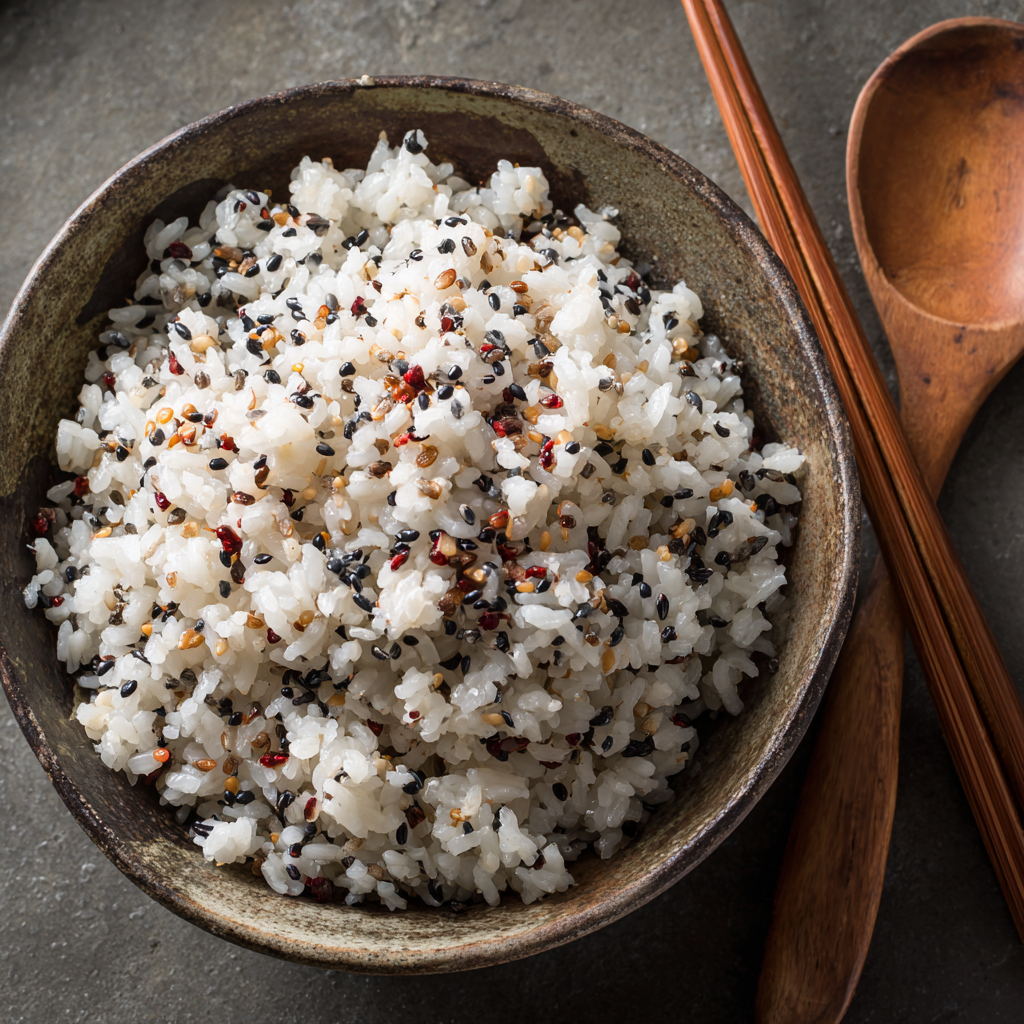
Pair these delicate flakes with steamed white rice or use them as a filling in onigiri (rice balls) for a classic Japanese experience. They also complement simple miso soup and pickled vegetables, creating a wholesome, well-rounded meal that feels both cozy and nourishing.
Creative Ways to Present
Try sprinkling Salmon Flakes over a mixed green salad for a protein-packed twist or layer them onto avocado toast to blend creamy textures with flaky, savory bites. You can even mix them into scrambled eggs or pasta dishes for a surprising burst of umami that brightens the whole plate.
Make Ahead and Storage
Storing Leftovers
Salmon Flakes store beautifully in an airtight container in the refrigerator for up to 3 days. Keeping them chilled preserves their flavor and texture, making it easy to pop them onto your next meal without any fuss.
Freezing
If you want to keep Salmon Flakes longer, freezing is a great option. Portion them into freezer-safe bags or containers, removing as much air as possible to maintain freshness. When you’re ready for a quick meal boost, simply thaw overnight in the fridge.
Reheating
For the best results, gently reheat your Salmon Flakes on the stovetop over low heat. Stir often to avoid drying out the flakes. Alternatively, warm them briefly in the microwave, covered with a damp paper towel to keep moisture locked in.
FAQs
Can I use canned salmon to make Salmon Flakes?
While fresh salmon offers the best texture and flavor, canned salmon can be a convenient substitute. Just be mindful that canned varieties are softer and the seasoning may need adjustment to balance moisture and saltiness.
Is Salmon Flakes gluten-free?
Salmon by itself is naturally gluten-free, but watch your soy sauce choice. Traditional soy sauce contains wheat, so opt for gluten-free tamari to keep the dish safe for gluten sensitivities.
How spicy are Salmon Flakes?
Salmon Flakes themselves aren’t spicy, but you can add a pinch of Japanese chili powder or shichimi togarashi for heat if you enjoy a little kick.
Can I make Salmon Flakes without alcohol?
Yes! If you prefer to avoid sake and mirin, substitute with a mixture of water and a little sugar or rice vinegar to mimic sweetness and acidity, though the flavor won’t be quite the same.
What dishes go well with Salmon Flakes besides rice?
Beyond rice, Salmon Flakes are fantastic in omelets, tossed through noodles, or layered into sandwiches and salads where their savory richness can amp up simple ingredients.
Final Thoughts
Salmon Flakes offer such a delightful way to transform everyday meals into something special with minimal effort. Their tender texture and vibrant flavor will quickly make them a staple in your kitchen. Give them a try—you might just find yourself reaching for Salmon Flakes every morning to add a little joy and deliciousness to your day!