
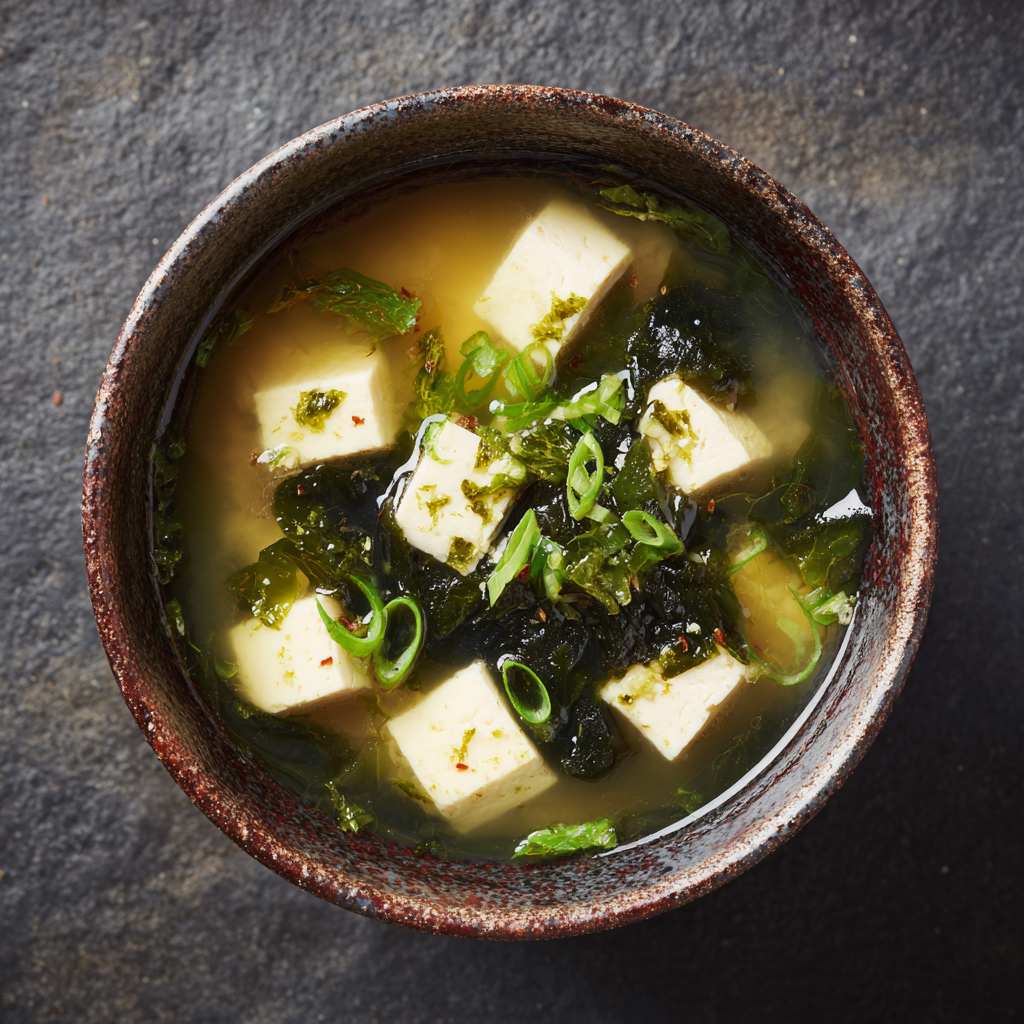
If you’ve never heard of Sawaniwan Soup before, you’re about to discover one of Japan’s best-kept breakfast secrets. This vibrant, soy-based broth is wonderfully light but also deeply comforting, boasting julienned vegetables and tender strips of pork that come together in perfect harmony. Every spoonful bursts with fresh textures and subtle umami flavors, making Sawaniwan Soup not just a meal but a warm invitation to start your day on a deliciously bright note.
Ingredients You’ll Need
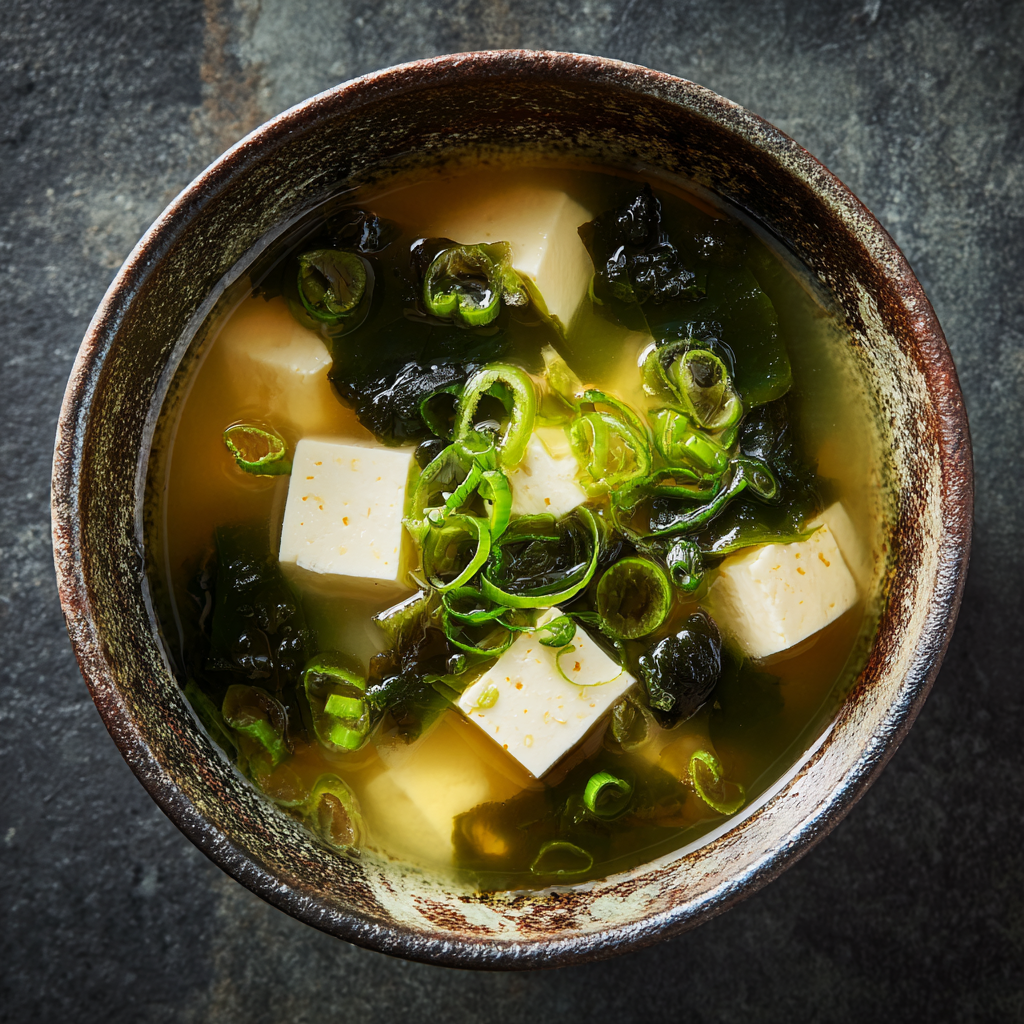
The magic of Sawaniwan Soup lies in its simplicity. With just a handful of fresh ingredients, you get an incredible balance of flavors, colors, and textures. Each element plays a special role, creating a broth that’s both light and satisfying.
- Thinly sliced pork: Adds tender, savory richness that makes this soup truly hearty.
- Julienned carrots: Give a slightly sweet crunch and vibrant orange hue.
- Daikon radish: Offers a mild peppery bite and a crisp texture that softens perfectly in the broth.
- Green onions: Bring a fresh, aromatic note that lifts the entire dish.
- Soy sauce: The soul of the broth, providing that signature umami depth and gentle saltiness.
- Dashi stock or vegetable broth: Acts as a hearty, flavorful base for the soup.
- Garlic and ginger: Infuse subtle warmth and complexity to the broth.
How to Make Sawaniwan Soup
Step 1: Preparing the Vegetables
Begin by carefully julienning your carrots, daikon radish, and green onions. Uniform cuts ensure that everything cooks evenly, and the vibrant colors remain appealing. These fresh veggies are the backbone of Sawaniwan Soup, so take your time to prep them well for maximum flavor and texture.
Step 2: Sautéing the Pork and Aromatics
In a large pot, gently sauté thinly sliced pork until it’s just cooked through and tender. Then, add minced garlic and grated ginger, letting their aromas release and meld with the pork’s savory essence. This step builds the foundation of flavor and guarantees that every bite of Sawaniwan Soup feels rich and aromatic.
Step 3: Building the Broth
Next, pour in your dashi stock or vegetable broth along with soy sauce, stirring gently to combine the flavors. Bring the broth to a gentle simmer—this is where the savory base really develops, allowing all the ingredients to blend beautifully without overpowering the delicate vegetable notes.
Step 4: Adding the Vegetables
Gently drop the julienned carrots, daikon, and green onions into the simmering broth. Cook for a few minutes until the vegetables are tender yet still retain a bit of their crunch, striking the perfect balance between softness and texture that makes Sawaniwan Soup so enjoyable.
Step 5: Final Taste and Adjustments
Give the soup a final taste and tweak the seasoning if needed. A splash more soy sauce, a pinch of pepper, or a tiny hint of sweetness from mirin can take this humble soup to the next level. Once you’re happy, it’s ready to serve piping hot and nourish your body and soul.
How to Serve Sawaniwan Soup
Garnishes
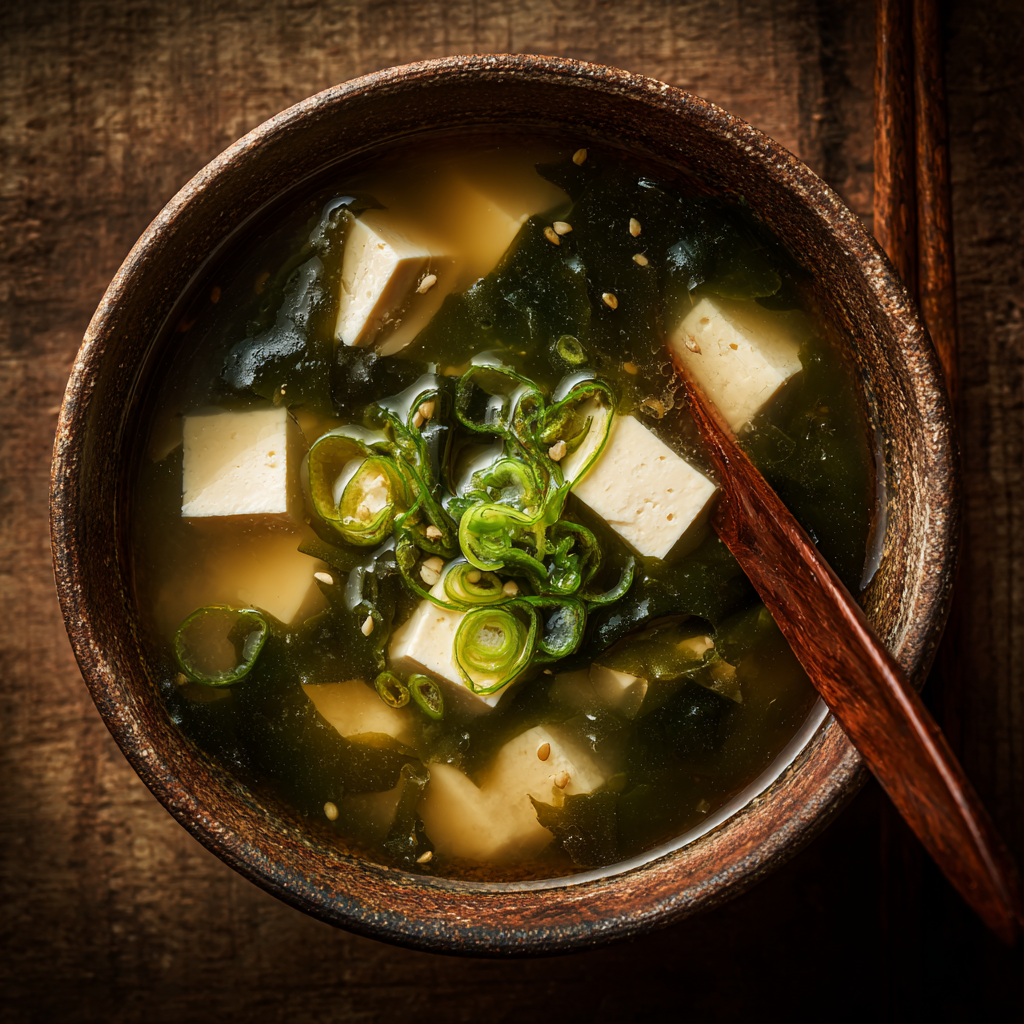
Fresh garnishes can elevate Sawaniwan Soup to a whole new taste experience. Sprinkle chopped green onions or a handful of fresh cilantro for a vibrant finish. If you like a little heat, a dash of shichimi togarashi adds a nice spicy kick without overpowering the subtle broth flavors.
Side Dishes
While Sawaniwan Soup shines on its own, it pairs perfectly with simple Japanese sides. Think steamed white rice, a small serving of pickled vegetables, or lightly grilled tofu. These sides complement the soup’s delicate flavors and make the meal feel complete and truly satisfying.
Creative Ways to Present
Presentation can turn Sawaniwan Soup into a feast for the eyes. Serve in a beautiful ceramic bowl, layering the pork and vegetables thoughtfully. Add a thin slice of lemon or a sprig of fresh herbs on top. For a cozy gathering, offer bowls with personalized garnishes so each person creates their own flavor twist.
Make Ahead and Storage
Storing Leftovers
You can store leftover Sawaniwan Soup in an airtight container in the refrigerator for up to three days. The flavors actually mature nicely, but the vegetables may soften more over time, so consider adding fresh green onions or crunchy toppings when reheating.
Freezing
Freezing Sawaniwan Soup is possible but best done without the fresh green onions and daikon, as their texture changes after thawing. Store the broth and pork separately if you want to maintain the best quality. When ready, thaw overnight in the fridge and combine all components just before reheating.
Reheating
Reheat your Sawaniwan Soup gently over low heat, stirring occasionally to avoid overcooking the pork and vegetables. Add a splash of water or broth if it seems too thick. Remember to add fresh garnishes after warming to preserve that vibrant, fresh taste.
FAQs
What is Sawaniwan Soup traditionally served with?
Sawaniwan Soup is typically enjoyed as a warming breakfast dish alongside steamed rice and sometimes pickled vegetables, making it a balanced and wholesome start to the day.
Can I substitute pork with another protein?
Absolutely! Thinly sliced chicken or tofu work beautifully if you prefer a leaner or vegetarian version, though the flavor will differ slightly.
Is Sawaniwan Soup spicy?
No, traditionally it’s not spicy. It’s known for its gentle soy-based broth and fresh vegetable flavors, but you can always add chili flakes or shichimi togarashi if you want some heat.
How long does it take to prepare Sawaniwan Soup?
From start to finish, it typically takes about 30 minutes, making it a quick yet satisfying meal that fits perfectly into busy mornings.
Can I prepare Sawaniwan Soup in advance for meal prep?
Yes! You can make it in advance and store it in the fridge, but be mindful that fresh garnishes and delicate vegetables are best added right before serving for optimal taste and texture.
Final Thoughts
There’s something truly special about Sawaniwan Soup that feels like a warm hug in a bowl. It’s simple to make, nourishing, and bursting with vibrant flavors everyone will love. Whether you’re looking to try a unique breakfast or crave a light dinner, this soup is a wonderful way to bring a taste of Japan into your kitchen. Give Sawaniwan Soup a go, and you might just find your new favorite comfort food.