
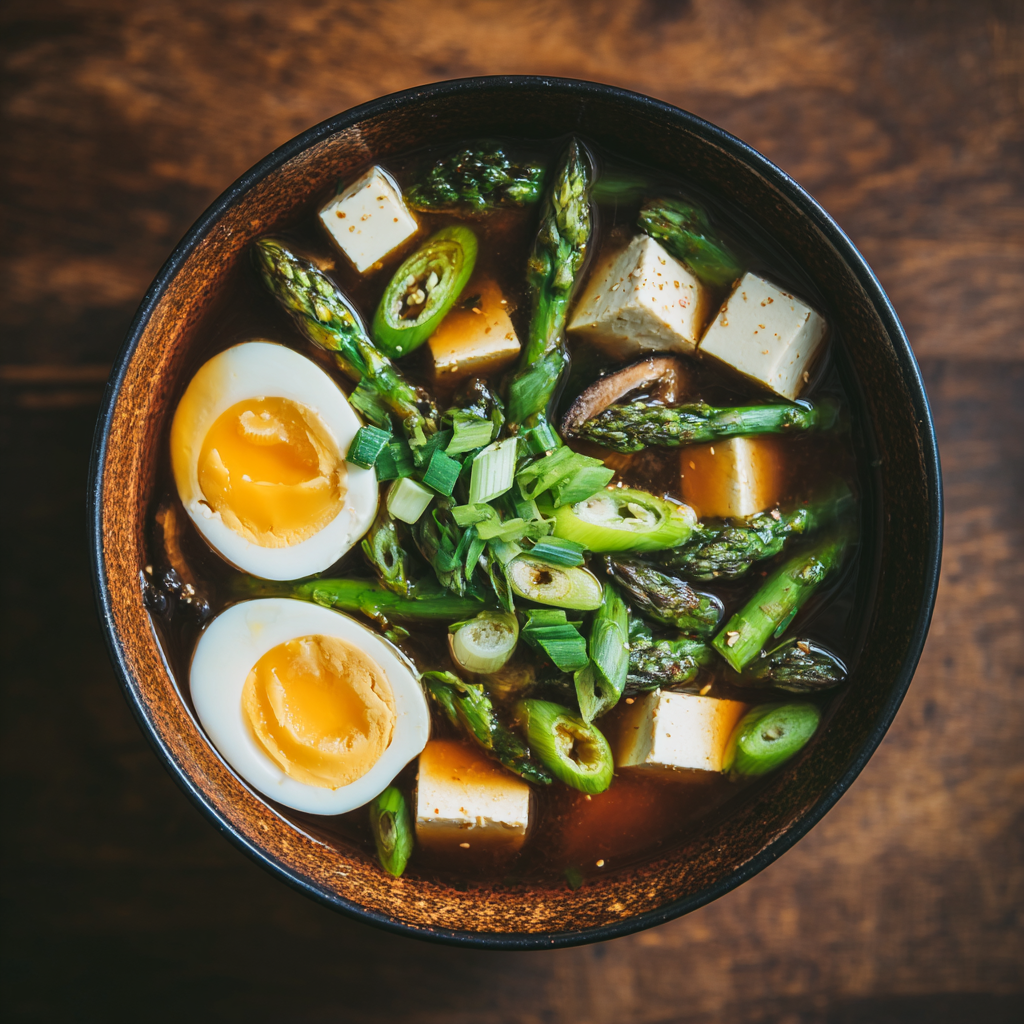
If you’re craving something that feels like a warm hug in a bowl, you can’t go wrong with Tofu Miso Soup. This delicate Japanese soup combines silky soft cubes of silken tofu with the umami richness of miso, enhanced by the subtle brininess of wakame seaweed and a bright citrusy hint from yuzu peel. It’s light enough to start your day fresh yet so flavorful it leaves you happily satisfied. Whether you’re new to Japanese cuisine or well-versed in savoring traditional broths, this Tofu Miso Soup is a comforting, nourishing delight you’ll want to make again and again.
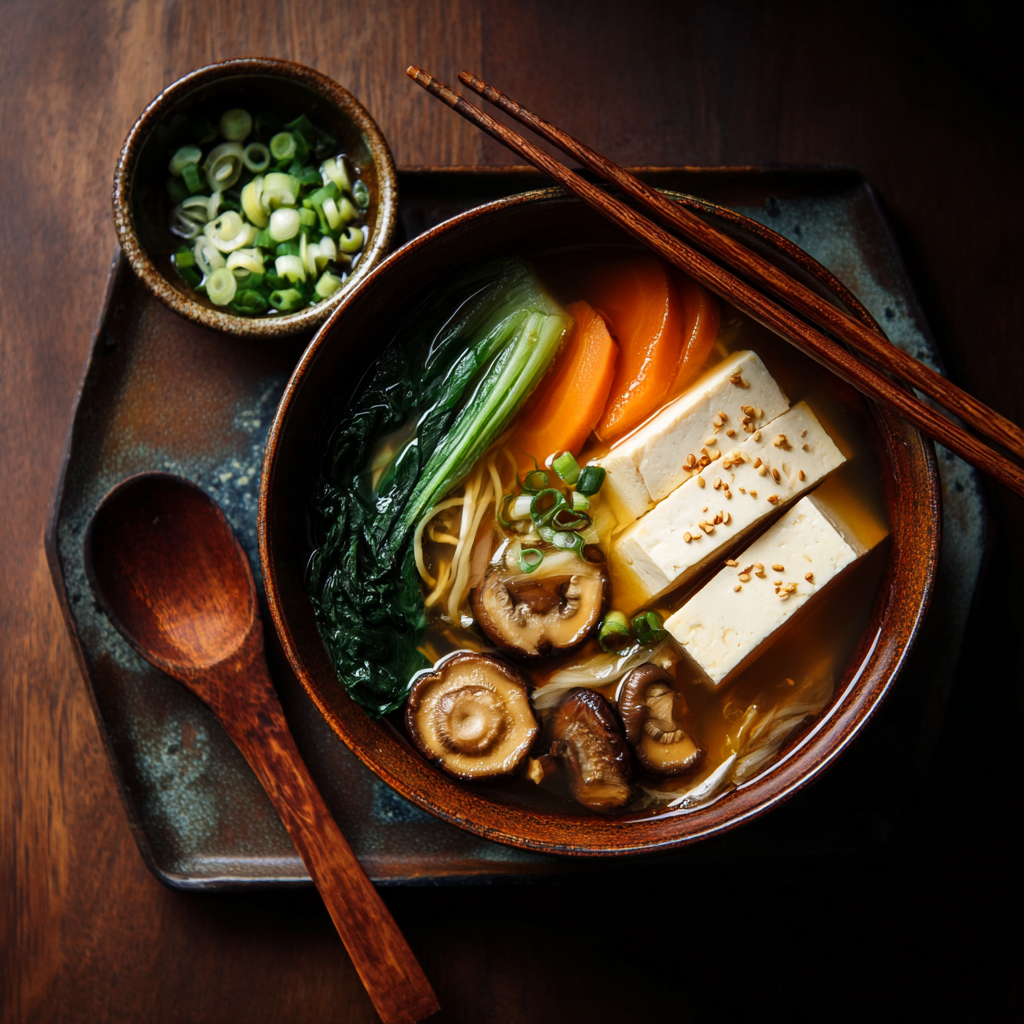
Ingredients You’ll Need
Gathering simple, wholesome ingredients is the first step to crafting this beautiful Tofu Miso Soup. Each item plays a crucial role, from the creamy silken tofu adding softness, to the miso paste bringing deep, savory notes, to the wakame seaweed contributing earthiness and a touch of ocean freshness.
- Silken tofu: Provides a smooth, delicate texture that melts in your mouth.
- Miso paste: The heart of the soup, lending a rich umami flavor essential to the dish.
- Dashi stock: The savory base made from kombu and bonito flakes, bringing depth and balance.
- Wakame seaweed: Adds a subtle sea flavor and a pleasant chewiness.
- Yuzu peel: Offers a bright, citrusy aroma that elevates the soup’s freshness.
- Green onions: For a mild oniony crunch and vibrant color.
- Water: To adjust the broth’s consistency to your preference.
How to Make Tofu Miso Soup
Step 1: Prepare the Dashi Stock
Start by making a fresh dashi stock, the soul of many Japanese soups. Soak kombu (dried kelp) in cold water for 30 minutes, then gently heat until just before boiling. Remove the kombu, add bonito flakes, and simmer briefly before straining. This creates a clear, umami-rich broth perfect for your Tofu Miso Soup.
Step 2: Soften the Wakame Seaweed
While your dashi is warming, soak the dried wakame seaweed in water for about 5 minutes until it rehydrates and softens. Drain the excess water and chop the seaweed into bite-sized pieces, so it blends seamlessly into the soup’s texture.
Step 3: Combine Miso Paste and Dashi
Lower the heat to prevent boiling, which can affect the flavor. Take a small amount of the hot dashi stock and stir in the miso paste until fully dissolved. Once smooth, return the miso mixture to the pot and stir gently. This step infuses your broth with the savory richness unique to miso.
Step 4: Add Tofu and Wakame
Cut your silken tofu into soft cubes and gently add them to the soup, along with the rehydrated wakame. Warm the soup on low heat to prevent the tofu from breaking apart, allowing the flavors to meld without losing the tofu’s delicate texture.
Step 5: Finish with Yuzu and Green Onions
Before serving, sprinkle finely sliced green onions over the soup and add small pieces of yuzu peel for a refreshing citrus zing. These final touches bring brightness and a lovely contrast to the broth’s earthiness, making your Tofu Miso Soup truly vibrant.
How to Serve Tofu Miso Soup
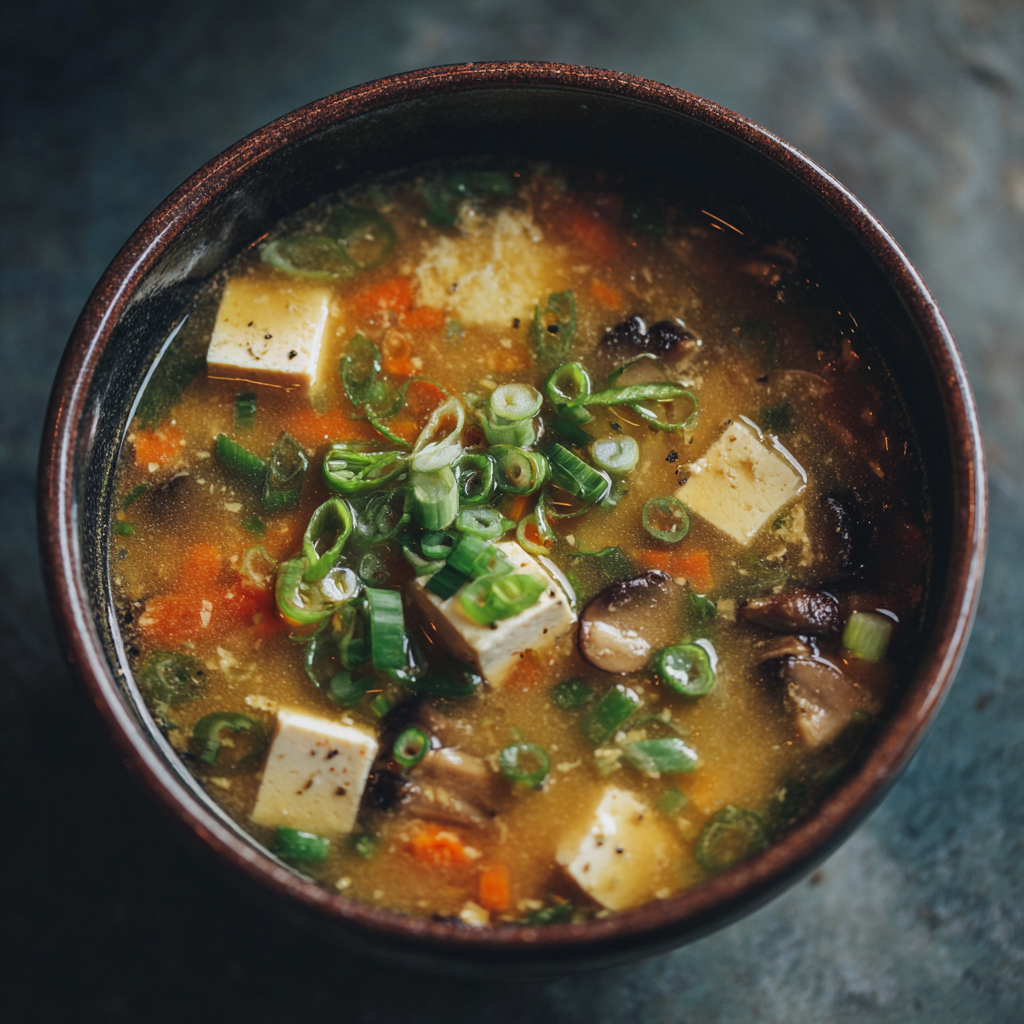
Garnishes
Simple garnishes can turn your soup into a feast for the eyes and palate. Freshly sliced green onions, a sprinkle of toasted sesame seeds, or even a few drops of aromatic chili oil add layers of flavor and texture. For a traditional touch, a small shiso leaf or a dusting of dried bonito flakes works beautifully as well.
Side Dishes
To complement the lightness of Tofu Miso Soup, serve it alongside steamed jasmine rice or a bowl of fluffy white rice. Pickled vegetables or a small salad of cucumber and daikon radish provide a refreshing crunch. For a heartier meal, pair the soup with grilled fish or tempura to balance out the simplicity of the broth.
Creative Ways to Present
Serve your Tofu Miso Soup in rustic black-lacquered bowls to highlight the delicate colors of the tofu and wakame. You can even float edible flowers or thinly sliced radishes on the surface for a stunning visual. For a cozy brunch, offer it in small cups alongside a tray of assorted Japanese bites to create an inviting, shareable spread.
Make Ahead and Storage
Storing Leftovers
Store any leftover Tofu Miso Soup in an airtight container in the refrigerator for up to 2 days. Keep the tofu and seaweed submerged in the broth to maintain moistness, and avoid storing garnishes separately until ready to serve to keep their texture fresh.
Freezing
Freezing this soup isn’t recommended because silken tofu changes texture when frozen and thawed, often becoming crumbly. Additionally, the miso broth can lose some of its subtle nuances. For best results, enjoy your soup fresh or refrigerated within a couple of days.
Reheating
When reheating, warm the soup gently over low heat to avoid boiling, which can affect the tofu’s tender texture and the miso’s delicate flavor. Stir occasionally and add a splash of water or dashi if the broth seems too thick after cooling.
FAQs
Can I use firm tofu instead of silken tofu?
Yes, you can substitute firm tofu if silken isn’t available, but expect a denser texture. Silken tofu is preferred for its creamy softness, which melts beautifully in the broth, giving that signature delicate mouthfeel.
Is miso paste gluten-free?
Many miso pastes are gluten-free, but some varieties contain barley or wheat. Be sure to check the label if you need a gluten-free option; white or yellow miso made from rice or soybeans are usually safe bets.
Can I make this soup vegan?
Absolutely! Traditional dashi often uses bonito flakes, which are fish-based, but you can make a vegan dashi using kombu (kelp) and dried shiitake mushrooms. This creates a wonderful depth of flavor while keeping your Tofu Miso Soup vegan-friendly.
What is yuzu peel, and can it be substituted?
Yuzu peel comes from a fragrant Japanese citrus fruit and adds a bright, slightly floral note. If you can’t find yuzu, a small amount of lemon or lime zest can be used as a substitute, though the flavor won’t be quite the same.
Why shouldn’t I boil miso soup after adding miso paste?
Boiling miso soup after adding miso paste can cause the miso’s delicate flavors and probiotics to break down, resulting in a duller taste and less nutritional benefit. Heat the soup gently and avoid boiling to preserve its full character.
Final Thoughts
Crafting Tofu Miso Soup is like inviting a little piece of Japan into your kitchen, with every spoonful offering warmth, comfort, and a subtle burst of flavor. It’s genuinely one of those dishes that feels both simple and special, perfect for any time you want something nourishing without fuss. I encourage you to try this recipe—you’ll soon see why Tofu Miso Soup holds such a beloved place in my heart and, hopefully, will in yours too.