
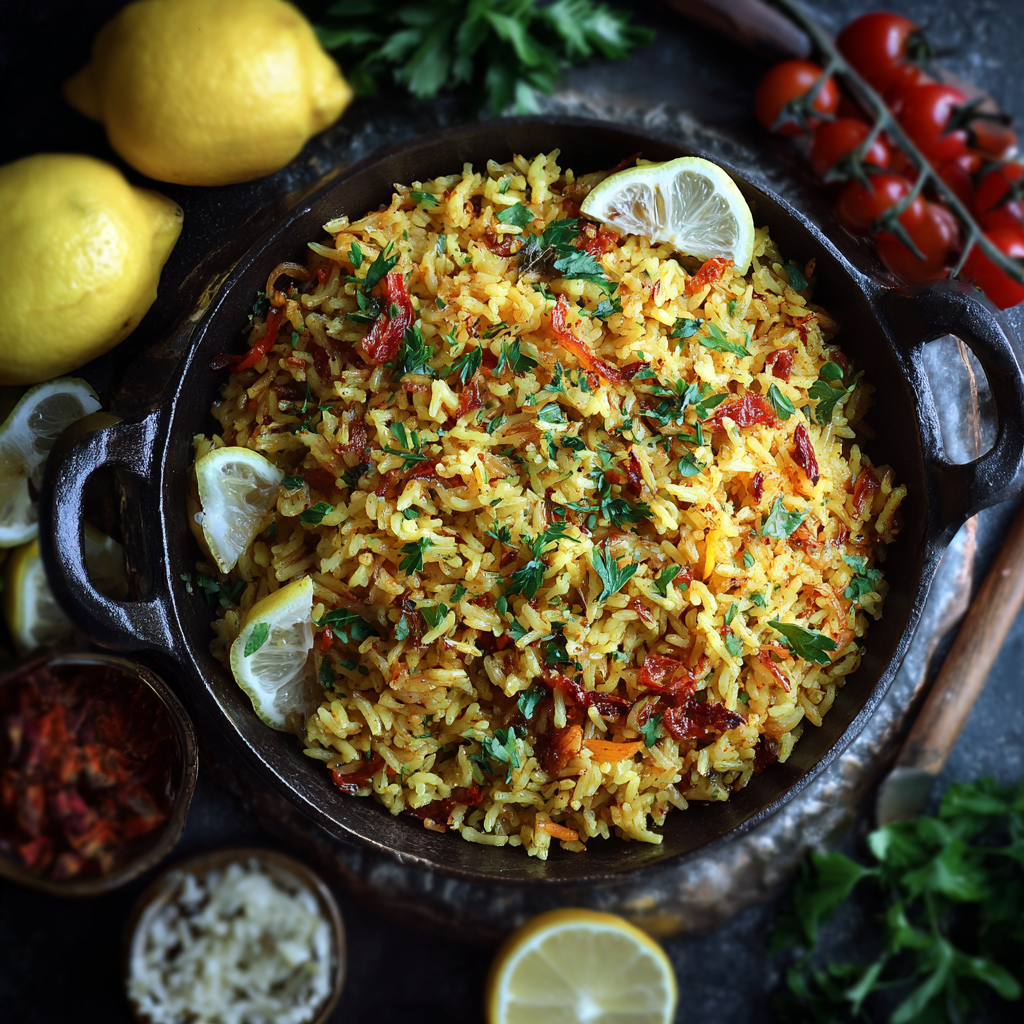
If you’ve ever tasted Turkish cuisine, you know that the magic isn’t just in the main dishes but also in the simple yet flavorful sides that accompany them. One such beloved classic is the Turkish Rice Pilaf Recipe, a fluffy, buttery rice dish that pairs perfectly with grilled meats, vegetables, or even on its own. This pilaf’s slightly nutty undertone from toasted vermicelli and its delicate texture make it a standout that’s both comforting and elegant. Whether you’re a seasoned home cook or just venturing into Turkish flavors, this recipe will become a cherished staple in your kitchen.
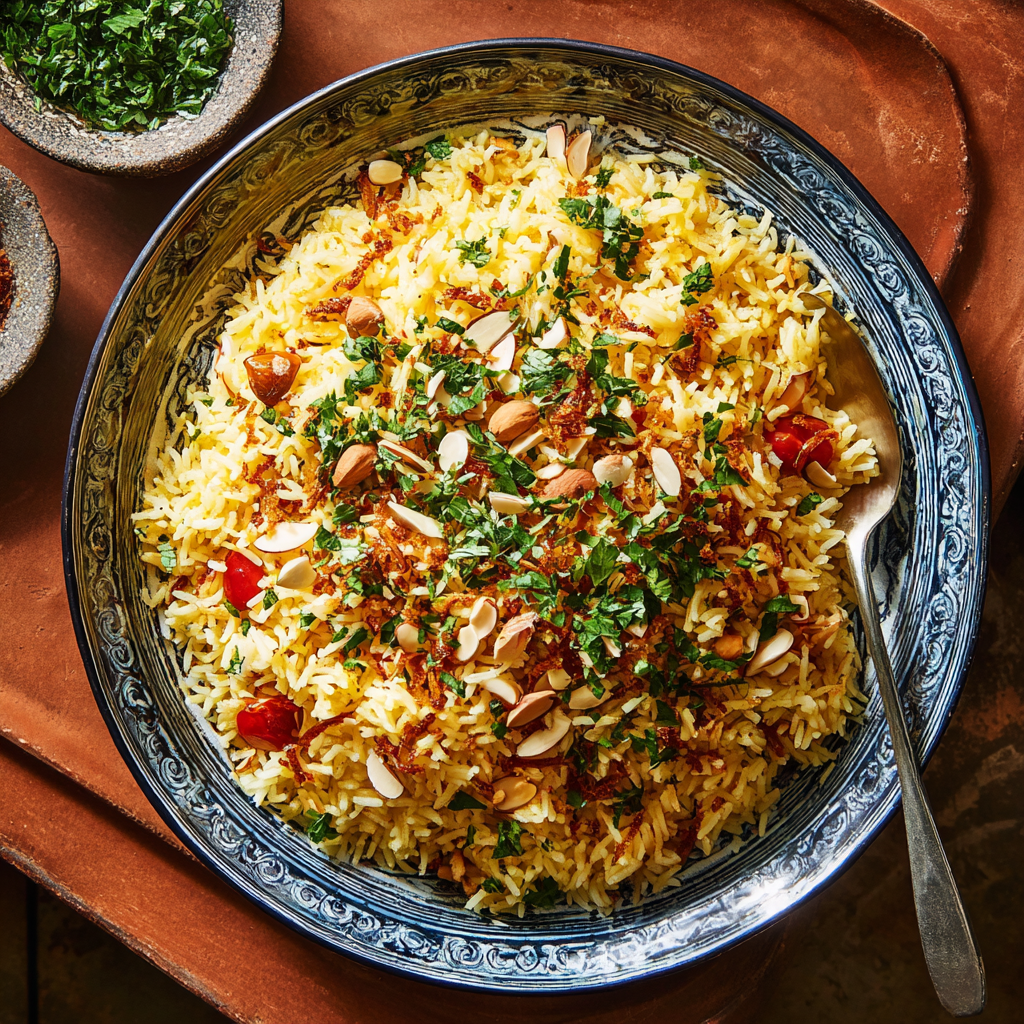
Ingredients You’ll Need
The beauty of this Turkish Rice Pilaf Recipe lies in its simplicity—and the magic of a handful of humble ingredients coming together to create something extraordinary. Each component plays a crucial role in building the texture, flavor, and color of the final dish.
- Rice: Preferably long-grain rice for a fluffy texture that doesn’t stick together.
- Butter: Adds richness and helps toast the vermicelli evenly for a golden color.
- Vermicelli: Thin pasta that toasts up beautifully in butter, lending a lovely nutty flavor.
- Salt: Enhances all the flavors without overpowering the delicate profile of the rice.
- Water: The magic liquid that cooks the rice to tender perfection.
How to Make Turkish Rice Pilaf Recipe
Step 1: Toast the Vermicelli
Start by melting the butter over medium heat in a wide saucepan. Once shimmering, add the vermicelli and keep stirring as it turns a gorgeous golden brown. This toasting step is where so much flavor develops, and the nutty aroma is simply irresistible. Be patient and attentive, as vermicelli can quickly go from toasted to burnt.
Step 2: Add the Rice
Pour the rinsed and drained rice into the pan with your beautifully toasted vermicelli. Stir gently to coat every grain in buttery goodness and to mix it with the browning vermicelli. This step ensures that the rice absorbs the flavors while cooking and contributes to the fluffy, separate grains we’re aiming for.
Step 3: Pour in Water and Salt
Add the measured water and sprinkle in salt. Give everything a gentle stir and increase the heat to bring it to a boil. This step combines the simple elements into a harmonious pot, setting the stage for perfectly cooked rice.
Step 4: Simmer Until Tender
Once boiling, reduce the heat to low and cover the pan tightly. Let the rice pilaf cook undisturbed for about 15 to 20 minutes until all the water is absorbed and the rice is tender. Avoid lifting the lid during this time to keep the steam trapped in, which cooks the rice evenly.
Step 5: Fluff and Serve
After cooking, turn off the heat but keep the lid on for an additional 5 minutes. Then, using a fork, gently fluff the rice to separate the grains and release steam. This final step ensures a light and airy Turkish Rice Pilaf that’s ready to impress.
How to Serve Turkish Rice Pilaf Recipe
Garnishes
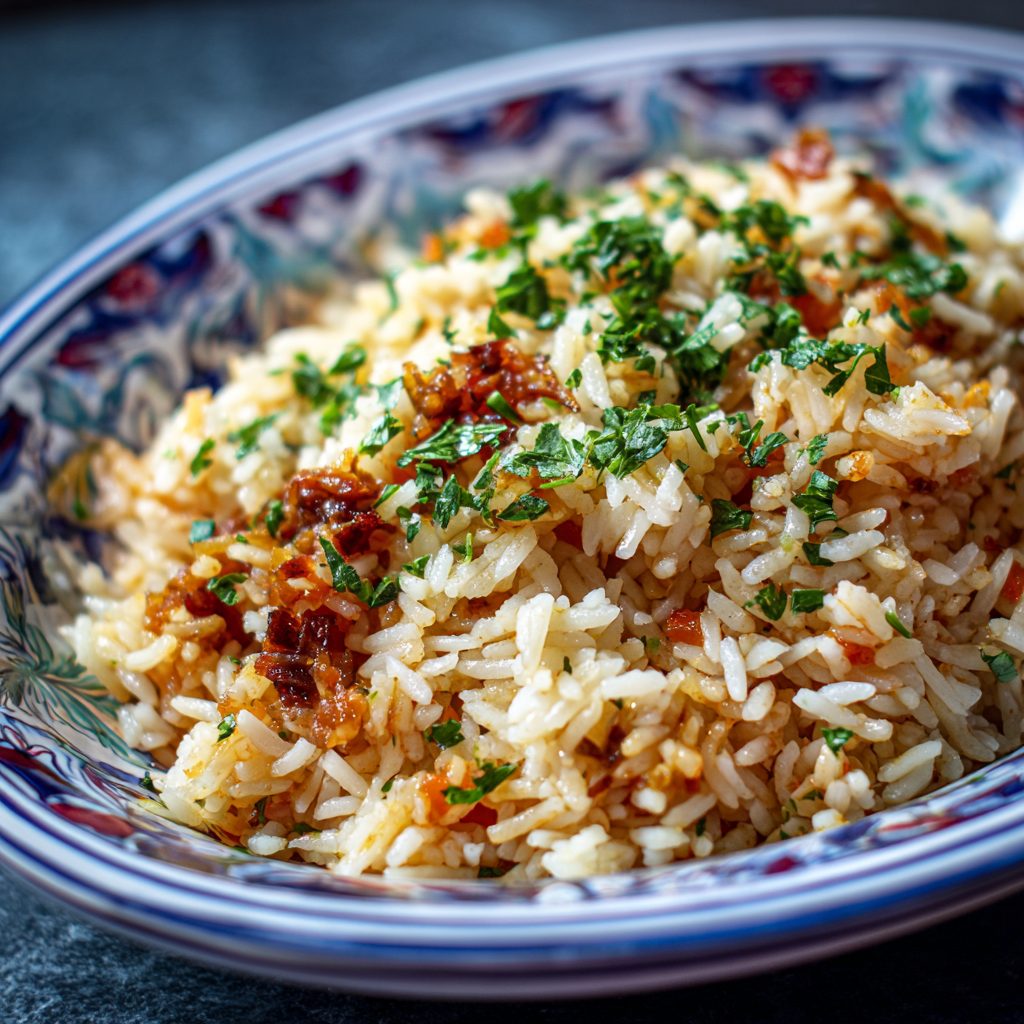
While the Turkish Rice Pilaf Recipe shines plain and simple, a sprinkle of fresh herbs like parsley or dill can add a burst of color and freshness. Toasted pine nuts or slivered almonds also create an elegant crunch and complement the buttery undertones beautifully.
Side Dishes
This pilaf pairs exquisitely with grilled meats such as lamb kebabs or chicken skewers, as the rice balances rich, smoky flavors perfectly. Vegetables of all sorts—grilled, roasted, or stewed—also make fantastic companions, turning a meal into a satisfying feast.
Creative Ways to Present
For a festive touch, mold the Turkish Rice Pilaf into mini domes using a small bowl or ramekin before plating. Garnish the top with a small sprig of fresh herb or a scattering of toasted nuts. This makes for a delightful presentation at dinner parties or family gatherings.
Make Ahead and Storage
Storing Leftovers
Once cooled, you can store any leftover Turkish Rice Pilaf in an airtight container in the refrigerator for up to 3 days. This lets you enjoy the delicious flavors even on busy days when cooking from scratch isn’t an option.
Freezing
Although freshly made pilaf is best, you can freeze leftovers by packing them into a freezer-safe container. Thaw overnight in the fridge before reheating, keeping your pantry backup tasty and convenient.
Reheating
To bring the pilaf back to life, sprinkle a little water over the rice to restore moisture and reheat gently on the stovetop or in the microwave. Fluff the grains again before serving to regain that perfect texture.
FAQs
Can I use other types of rice for this recipe?
Long-grain rice works best due to its fluffy texture, but you can experiment with basmati or jasmine rice for aromatic variations. Just make sure to adjust water ratios accordingly.
Why do I need to toast the vermicelli?
Toasting the vermicelli in butter gives the pilaf a distinctive nutty flavor and a lovely golden hue that defines Turkish rice pilaf. It also adds a subtle crunch that enhances the texture.
Can I make this pilaf without butter?
Butter is traditional and critical for the signature flavor and richness, but for a lighter version, olive oil can be used as a substitute with a slightly different taste.
How long can I keep cooked Turkish Rice Pilaf in the fridge?
Cooked pilaf is best consumed within 3 to 4 days when stored properly in an airtight container to maintain freshness and safety.
Is Turkish Rice Pilaf Recipe gluten-free?
Rice and butter on their own are gluten-free, but since vermicelli is usually wheat-based, traditional Turkish rice pilaf is not gluten-free. You can look for gluten-free vermicelli alternatives if needed.
Final Thoughts
There’s something truly comforting about a well-made Turkish Rice Pilaf Recipe that makes it a timeless favorite. Its blend of buttery richness, toasty notes, and fluffy texture brings warmth to any meal and makes every bite memorable. I wholeheartedly encourage you to try making this simple yet exquisite dish—you’ll find it quickly becomes a go-to side that elevates your culinary repertoire and delights your loved ones.
Yo, I hit a lucky streak at spinph88casino! They’ve got a decent variety of games and the payouts seem alright so far. Might want to check them out at spinph88casino.
Plusphcom? Alright, let’s see what it has to offer! Feels pretty solid, and navigations is easy enough. Might just stick around for a while! Join the fun here: plusphcom
Went VIP on 93jlvip, has many perks inside. Feel like checking it out? Access it here: 93jlvip.
Quick access and no glitches. It is refreshing to find a site that actually prioritizes speed and stability for the players. nog88login