
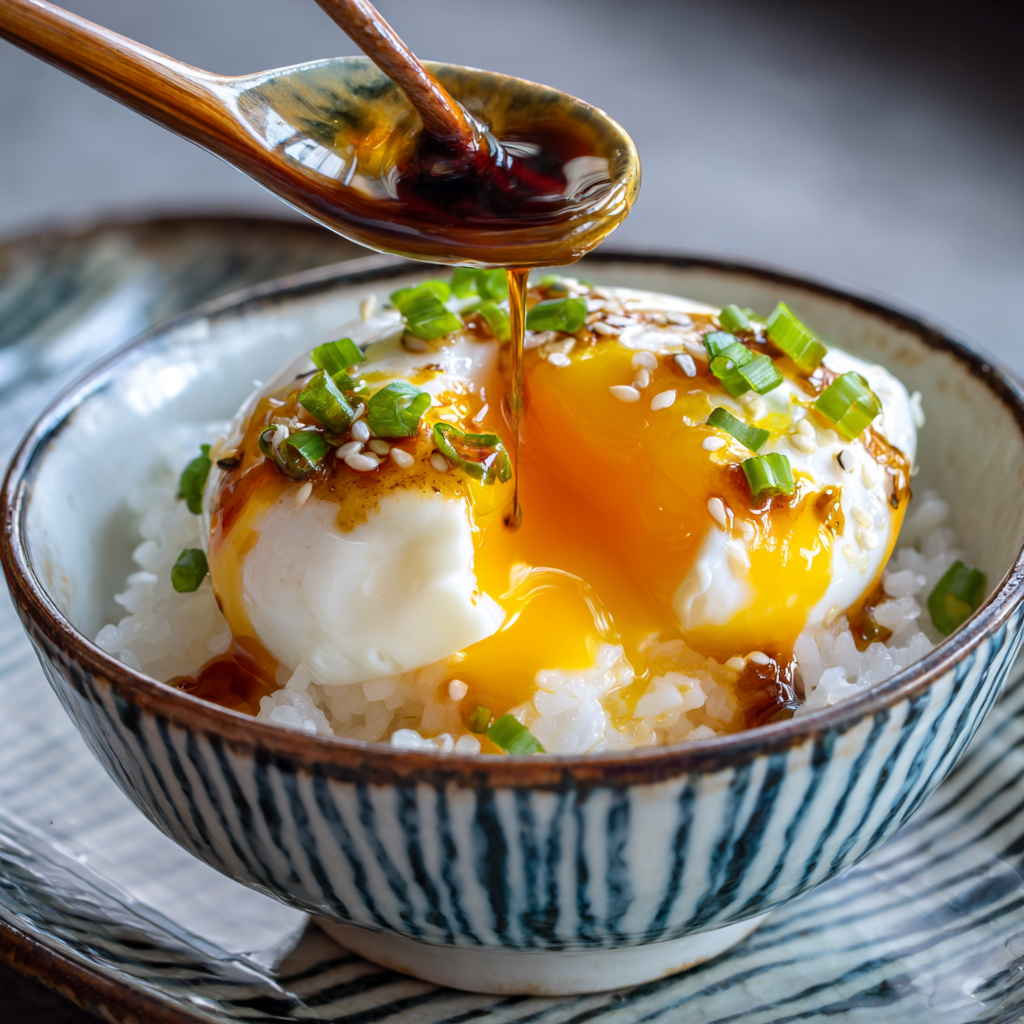
If you’re ready to elevate your everyday rice routine, then you absolutely have to try Zakkoku Mai. This delightful Japanese multigrain rice dish blends ten different grains and seeds into one harmonious bowl that’s not only packed with nutrition but bursts with a wonderful mildly nutty flavor and satisfying texture. Imagine swapping plain white rice for a colorful, hearty medley that brings more life to your meals while nourishing your body in a way simple rice never could. Whether served as a wholesome breakfast or a comforting side, Zakkoku Mai is sure to become a new favorite in your kitchen.
Ingredients You’ll Need
The beauty of Zakkoku Mai lies in the simplicity yet variety of its ingredients. Each grain and seed adds a unique note—some giving a chewy bite, others lending earthiness or subtle sweetness, all coming together to create a bowl full of balanced nutrition and texture.
- Short-grain white rice: The base that offers a sticky, tender texture essential for this dish’s classic feel.
- Barley: Adds a delightful chewiness and nuttiness that contrasts beautifully with soft rice.
- Millet: Small, round grains that contribute subtle sweetness and a lovely light texture.
- Black rice: Provides an earthy flavor and a signature dark purple color when cooked.
- Red rice: Adds an extra nutty taste and a reddish tint that brightens the dish visually.
- Quinoa: A protein-packed grain that adds slight crunch and nutty undertones.
- Adzuki beans: These bring a subtle sweetness and a lovely soft bite.
- Sesame seeds (black and white): Tiny bursts of flavor and texture that lift each spoonful.
- Wheat berries: Another chewy grain that adds hearty depth.
- Glutinous rice: Helps bind the grains together, giving Zakkoku Mai that perfect stickiness.
How to Make Zakkoku Mai
Step 1: Rinse and Soak Your Grains
Start by rinsing each grain separately under cold water to remove excess starch and any impurities. Then, soak the barley, wheat berries, and adzuki beans for at least 2 hours or overnight — this softens them and cuts down cooking time, ensuring everything will cook evenly.
Step 2: Combine and Measure Your Mixture
After soaking, drain those grains and combine all ten ingredients in a large bowl. Measure out the water according to the ratio of combined grains (roughly 1.2 times the volume of your grain mixture) — this slightly higher water content is necessary because of the variety of grains involved.
Step 3: Cook Your Zakkoku Mai
You have two options here: use a rice cooker or stovetop. In a rice cooker, simply add your grain and water mixture and set to the regular rice cycle. For stovetop, bring the grains and water to a boil, then lower the heat to a simmer, cover tightly, and cook for about 40–50 minutes until all the grains are tender and fluffy.
Step 4: Rest and Fluff
Let your Zakkoku Mai sit covered off the heat for 10 minutes. This resting period lets the moisture redistribute evenly, making the grains plump and perfectly tender. Then, fluff gently with a rice paddle or fork to separate the grains and reveal that gorgeous medley of colors and textures.
How to Serve Zakkoku Mai
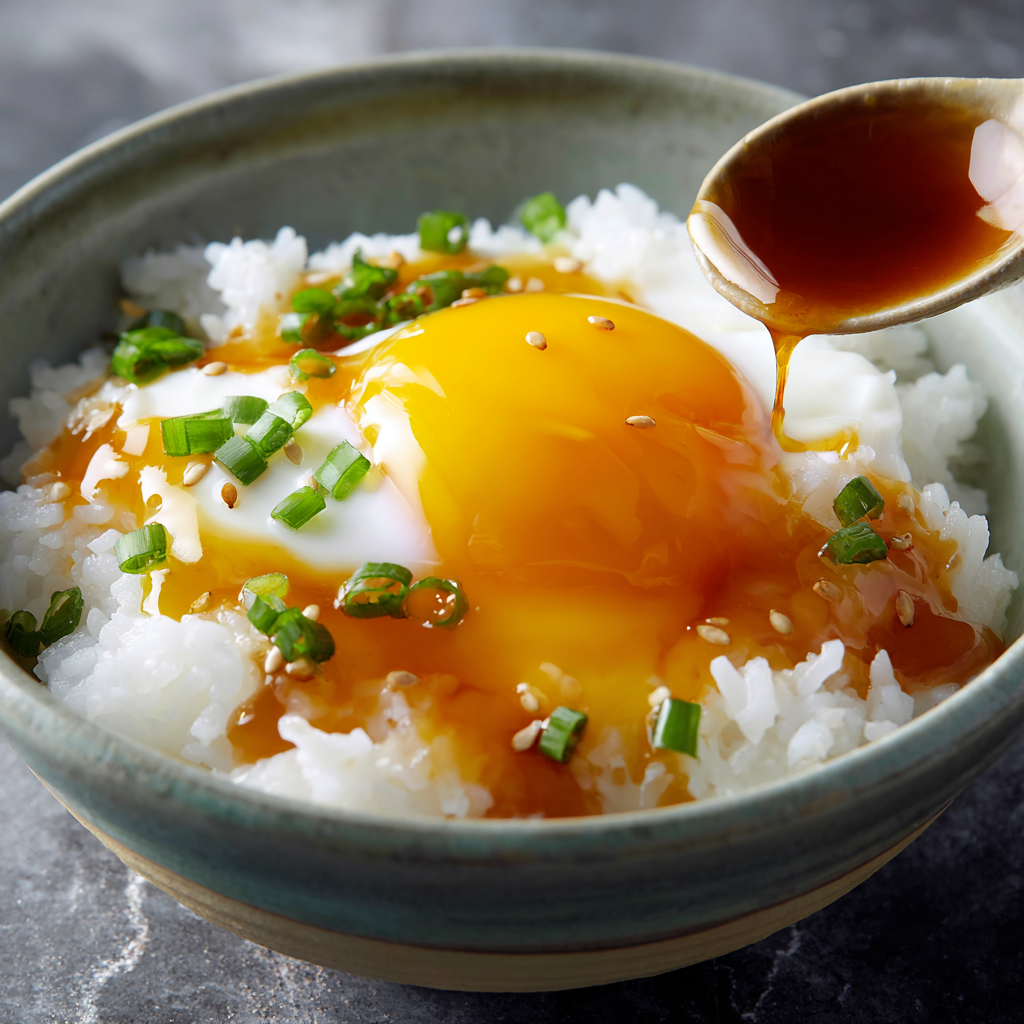
Garnishes
Sprinkle toasted sesame seeds or finely sliced green onions on top for an instant flavor boost and pretty finish. A sprinkle of furikake seasoning also works wonders to add a savory, umami-packed touch to your Zakkoku Mai bowl.
Side Dishes
Zakkoku Mai pairs beautifully with an array of Japanese classics like grilled fish, miso soup, or sautéed vegetables. Its rich, nutty base balances well with light, fresh sides or savory mains, making it perfect for a wholesome lunch or dinner.
Creative Ways to Present
Transform your multigrain rice into an enticing donburi bowl topped with avocado slices, a soft boiled egg, and pickled radishes. Or press the cooked mixture into onigiri molds for flavorful rice balls that are perfect as portable snacks or lunchbox delights.
Make Ahead and Storage
Storing Leftovers
Once your Zakkoku Mai has cooled to room temperature, store it in an airtight container and keep it in the fridge for up to 3 days. Its hearty grains hold up well and stay delicious without drying out quickly.
Freezing
To freeze Zakkoku Mai, portion it into freezer-safe containers or bags and remove as much air as possible. It freezes beautifully and can be kept for up to one month without losing texture or flavor.
Reheating
Reheat your frozen or refrigerated Zakkoku Mai gently in the microwave or on the stovetop with a splash of water to restore moisture. Cover it while reheating to trap steam and keep that comforting fluffy texture.
FAQs
What is the main benefit of eating Zakkoku Mai?
Zakkoku Mai offers a fantastic nutritional upgrade to traditional white rice by combining multiple grains and seeds. This variety increases fiber, protein, vitamins, and minerals, promoting better digestion and sustained energy.
Can I customize the grains in Zakkoku Mai?
Absolutely! Although the classic mix includes ten grains, you can adapt it based on what you have or prefer, swapping in similar grains like amaranth or buckwheat without losing the essence of this wholesome dish.
Is Zakkoku Mai difficult to cook?
Not at all! While it takes a bit longer than plain rice due to the variety of grains, the process is straightforward whether you use a rice cooker or stovetop. Soaking helps ease the cooking time and improves texture.
Does Zakkoku Mai taste very different from regular rice?
It does have more depth of flavor with its mildly nutty, earthy notes and a more complex texture, but it remains approachable and pairs well with many dishes—making it an excellent way to add excitement to your meals.
Can I eat Zakkoku Mai cold, like in a salad?
Yes! Once cooled, Zakkoku Mai works wonderfully as a base for grain salads or mixed with fresh vegetables and dressings for a nourishing, make-ahead lunch option.
Final Thoughts
There’s something truly satisfying about enjoying a bowl of Zakkoku Mai—it’s nourishing, flavorful, and visually inviting. Whether you’re looking to add variety to your rice dishes or boost your nutrition subtly yet deliciously, this Japanese multigrain rice will quickly become a staple you’ll love to cook and share. Give it a try, and watch how it transforms your everyday meals into something special and wholesome.