
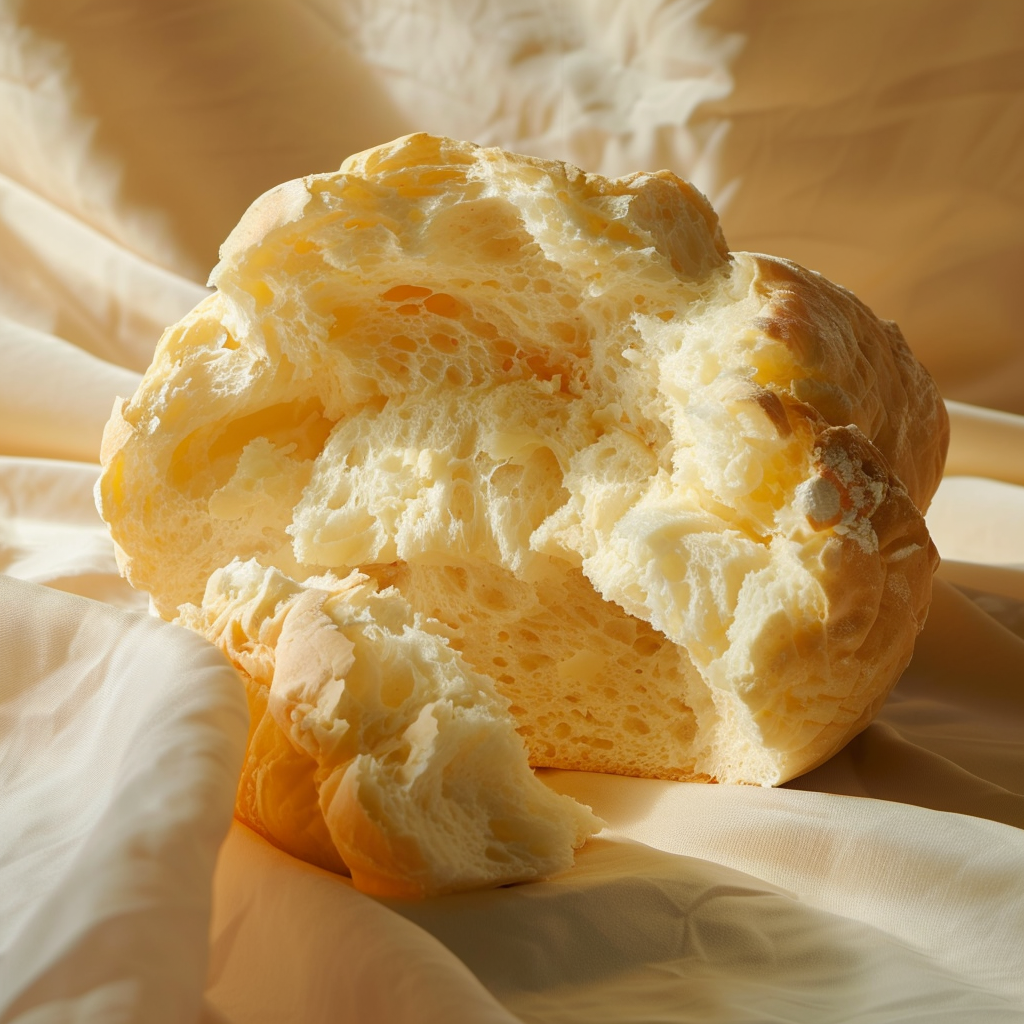
If you’ve ever yearned for a bread alternative that floats like a cloud and melts in your mouth, then this Cloud Bread recipe is about to become your new obsession. Imagine a light, fluffy aesthetic bread that’s as delightful to eat as it is to look at. Minimal ingredients create a surprisingly versatile and airy bread that works beautifully for sandwiches, snacks, or simply on its own. Once you master Cloud Bread, you’ll wonder how you ever lived without this feather-light treat in your kitchen arsenal.
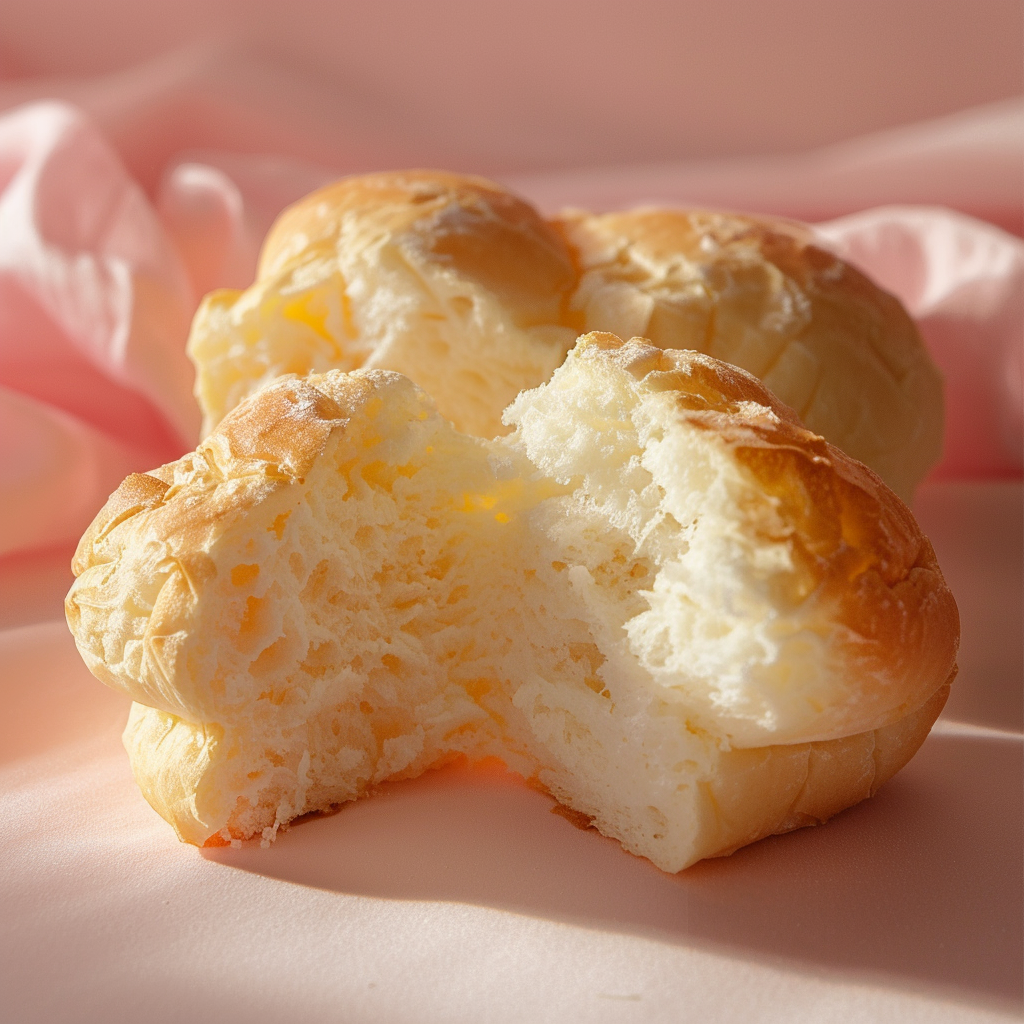
Ingredients You’ll Need
Cloud Bread is wonderfully straightforward, relying on just a handful of pantry staples. Each ingredient is key to achieving the perfect texture and flavor, making this recipe both simple and reliable.
- Egg whites: Fresh egg whites create the structure and airy lift that make this bread so incredibly light.
- Sugar: Just a touch of sugar helps stabilize the egg whites while adding a subtle sweetness to balance the flavor.
- Cornstarch: A small amount of cornstarch provides the necessary binding agent without weighing down the cloud-like texture.
How to Make Cloud Bread
Step 1: Whip Those Egg Whites
Begin by separating the egg whites carefully from the yolks, ensuring no trace of yolk sneaks in because fat can prevent proper whipping. Use a clean, dry bowl and an electric mixer to whip the egg whites until they form stiff peaks—this means when you lift your beaters out, the peaks stand tall and don’t droop. Adding sugar gradually while whipping helps stabilize the mixture, giving you the fluffy, sturdy base critical to your Cloud Bread.
Step 2: Gently Fold in Cornstarch
Once your egg whites are perfectly whipped, it’s time to gently introduce the cornstarch. Be delicate here; use a spatula to fold it in slowly. The goal is to incorporate the cornstarch without deflating the airy egg whites. This step is where patience pays off, as the mixture will retain its volume, setting the stage for that signature light, cloud-like structure.
Step 3: Shape and Bake
Preheat your oven and prepare a lined baking sheet. Spoon the fluffy batter onto the sheet in round cloud-like mounds, spreading them to your desired size. Bake at a moderate temperature until the edges turn golden and the bread feels light yet set. As it bakes, the batter transforms from a delicate mousse into a firm, ethereal bread that practically floats off the pan. Cooling them properly ensures they hold their shape and texture perfectly.
How to Serve Cloud Bread

Garnishes
Cloud Bread’s mild flavor opens up endless garnish options. Sprinkle a pinch of dried herbs, such as rosemary or thyme, for a savory zing, or add a dusting of cinnamon and a drizzle of honey for a sweeter experience. Seeds like sesame or poppy add delightful texture and a nutty contrast, making each bite excitingly different yet consistently airy.
Side Dishes
This bread pairs beautifully with a variety of dishes. Serve alongside a fresh salad for a light lunch or with hearty soups to soak up the flavors without the heaviness of traditional bread. Its soft texture also complements creamy dips, making it a perfect finger food at gatherings or cozy evenings in.
Creative Ways to Present
Looking to impress your friends or family? Use Cloud Bread as a base for mini open-faced sandwiches, layering with avocado, smoked salmon, or fresh veggies. For brunch, top with whipped cream and fresh berries for an irresistible treat. Its unique texture and delicate appearance lend themselves well to creative plating that brightens any table.
Make Ahead and Storage
Storing Leftovers
Cloud Bread is best enjoyed fresh due to its delicate texture, but if you have leftovers, store them in an airtight container at room temperature for up to two days. Avoid refrigeration as it can draw out moisture and change the texture, causing it to become rubbery.
Freezing
To keep Cloud Bread fresh longer, you can freeze it. Place the baked clouds in a single layer on a baking sheet and freeze until solid, then transfer to a freezer-safe bag or container. This method prevents them from sticking together and allows you to reheat individual pieces as needed.
Reheating
When you’re ready to enjoy your frozen Cloud Bread, simply warm it in a toaster oven or conventional oven at low heat for a few minutes. This brief reheating revives the airy texture and brings back that pillowy softness we all adore, making it feel freshly baked again.
FAQs
Can I use whole eggs instead of just egg whites?
Whole eggs contain fat from the yolks which can prevent the egg whites from whipping properly, resulting in a denser texture. For the signature fluffy Cloud Bread, it’s essential to use only the egg whites.
Is Cloud Bread gluten-free?
Yes! Since Cloud Bread contains no flour or gluten-containing ingredients, it’s naturally gluten-free, making it a wonderful alternative for those with gluten sensitivities or celiac disease.
Why does my Cloud Bread turn out dense sometimes?
This often happens if the egg whites were not whipped to stiff peaks or if the cornstarch was folded in too roughly, causing the mixture to deflate. Ensuring careful whipping and gentle folding will help maintain that iconic fluffy texture.
Can I add flavors to the batter?
Absolutely! Vanilla extract, garlic powder, or even grated Parmesan can be folded in gently to customize your Cloud Bread. Just be mindful not to add too much liquid, which could affect the whipping process.
How long does Cloud Bread last when stored properly?
Cloud Bread is best eaten fresh within two days. Beyond that, it loses its delightful texture. Freezing is your best option for longer storage and maintaining quality.
Final Thoughts
Cloud Bread is truly one of those magical recipes that feels like a special discovery every time you make it. Its simple ingredients and effortless method give you this incredible, airy bread that’s perfect for so many occasions. I can’t wait for you to try it—you might just find it becoming a staple in your kitchen as it has in mine!