
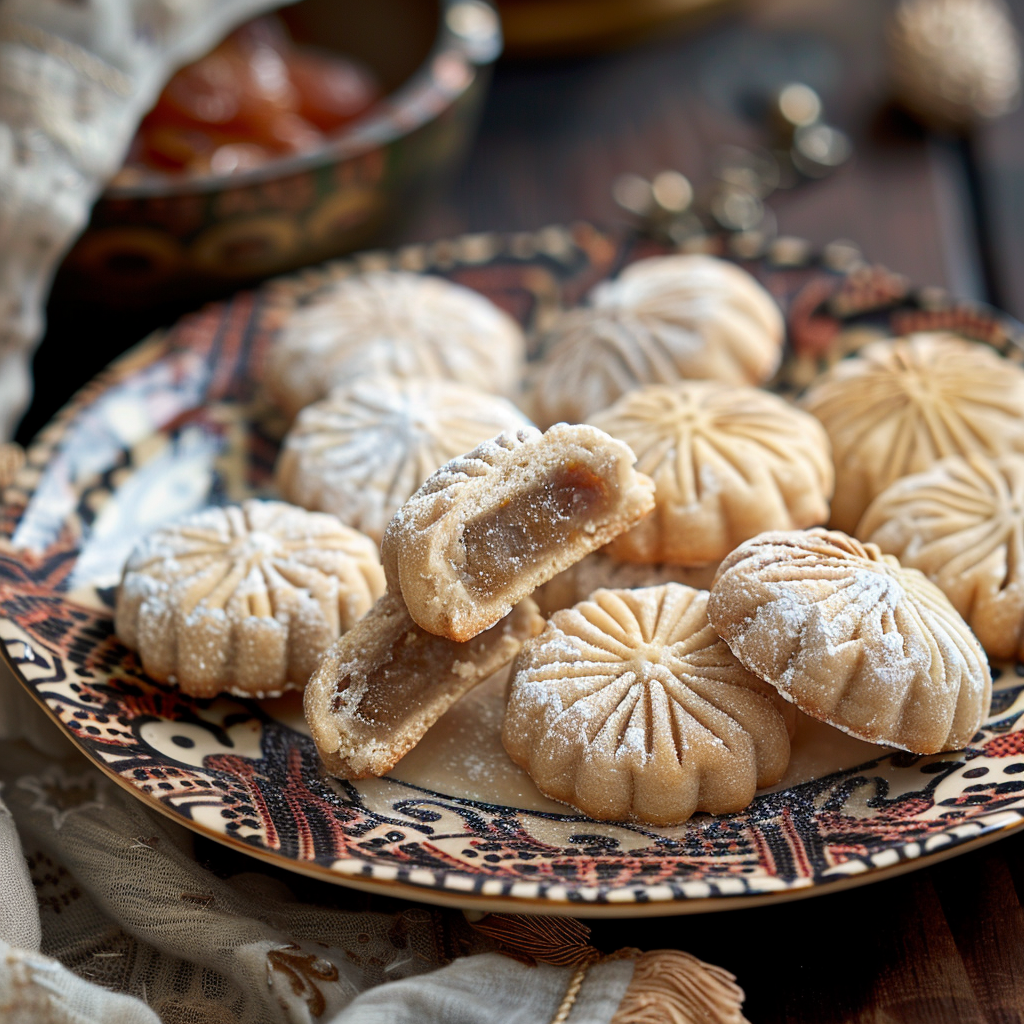
If you have a soft spot for Middle Eastern sweets, you are going to absolutely adore this Easy Homemade Mamoul (Eid biscuits) Recipe. These delightful Saudi Arabian treats boast a tender, crumbly exterior filled with luscious date paste, enhanced by toasty sesame and buttery richness. Every bite carries a warm nostalgia that makes Mamoul beloved during festive occasions like Eid, but trust me, once you try this recipe, it’s a dessert you’ll want to make any time of year. The straightforward ingredients and detailed steps marry tradition with homey comfort, delivering a unique, flavor-packed experience that’s sure to impress family and guests alike.
Ingredients You’ll Need
Getting ready to make these biscuits is easier than you might think! The ingredient list is simple yet purposeful, each component lending something unique to the recipe—from the soft texture and golden color to the irresistible buttery flavor.
- 300g Plain Flour: The base that provides structure with a delicate crumb, perfect for creating that melt-in-your-mouth Mamoul texture.
- 200g Semolina: Adds a lovely grainy texture and enhances the biscuit’s golden color.
- 25g Sunflower Oil: Gives moisture and helps keep the dough tender without heaviness.
- 250g Unsalted Butter: The secret behind the rich, buttery taste and melt-in-mouth softness.
- 50 ml Milk: Moistens the dough just enough for pliability without stickiness.
- 60g Icing Sugar: Sweetens the dough gently while contributing to its smooth texture.
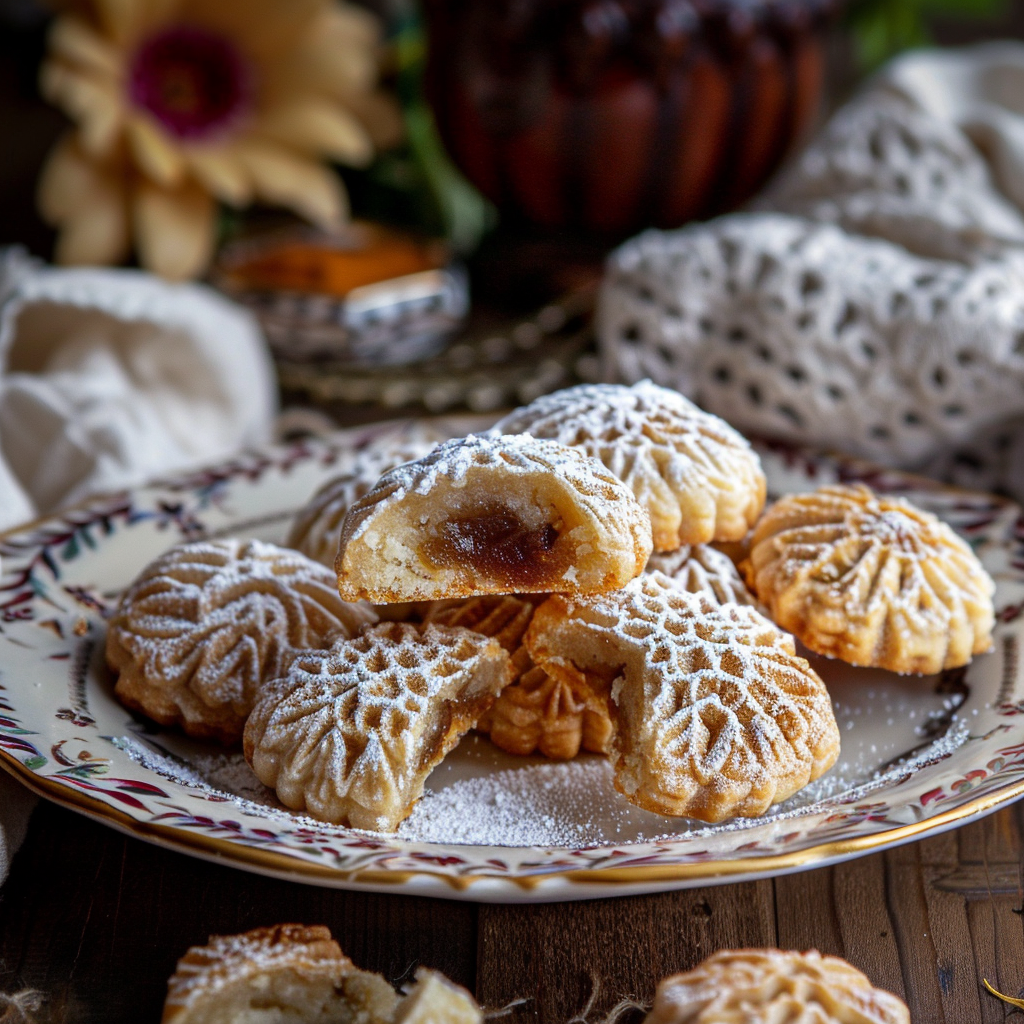
- Dates Paste (for filling): This luscious, naturally sweet filling is infused with toasted sesame and butter for extra depth.
- Sesame Seeds: Toasted to bring out a nutty flavor that complements the date filling superbly.
How to Make Easy Homemade Mamoul (Eid biscuits) Recipe
Step 1: Prepare the Dough
Start by creaming the unsalted butter with icing sugar until the mixture turns light and fluffy. This step is key to ensuring your dough stays tender rather than tough. Then, add the sunflower oil, followed by the flour and semolina. Combine just enough to bring the ingredients together, but don’t overwork it. Finally, pour in the warm milk to bind everything into a soft dough. Cover and let it rest for up to an hour while you make the filling.
Step 2: Make the Date Filling
In a pan, lightly toast sesame seeds to release their aroma and flavor. Add a knob of butter, then incorporate the date paste. Stir gently with a bit of water until the mixture becomes a mushy but not overly wet paste. The filling should be easy to handle when shaping but retain its body fully. Let it cool on a plate before moving on.
Step 3: Shape and Chill
Roll the date filling into small balls weighing approximately 15 grams. Pop these in the fridge to firm up for about 30 minutes. Meanwhile, shape your dough into balls weighing around 30 grams each. This size balance between the dough and filling ensures every bite is perfectly filled.
Step 4: Assemble and Mold
Take each dough ball and flatten it gently. Place a date ball in the center and fold the dough around the filling, sealing it carefully. Now comes the fun part—press the stuffed dough into a mamoul mold to create those signature decorative patterns. If you don’t have a mold, a simple fork press or freehand design works just as well!
Step 5: Bake to Golden Perfection
Place your shaped mamoul biscuits on a baking sheet and bake in a preheated oven at 180 degrees Celsius for 20 minutes. Keep an eye on them—the bottoms should turn a lovely golden brown while the tops gain just a hint of color. The aroma filling your kitchen at this stage is absolutely heavenly.
How to Serve Easy Homemade Mamoul (Eid biscuits) Recipe
Garnishes
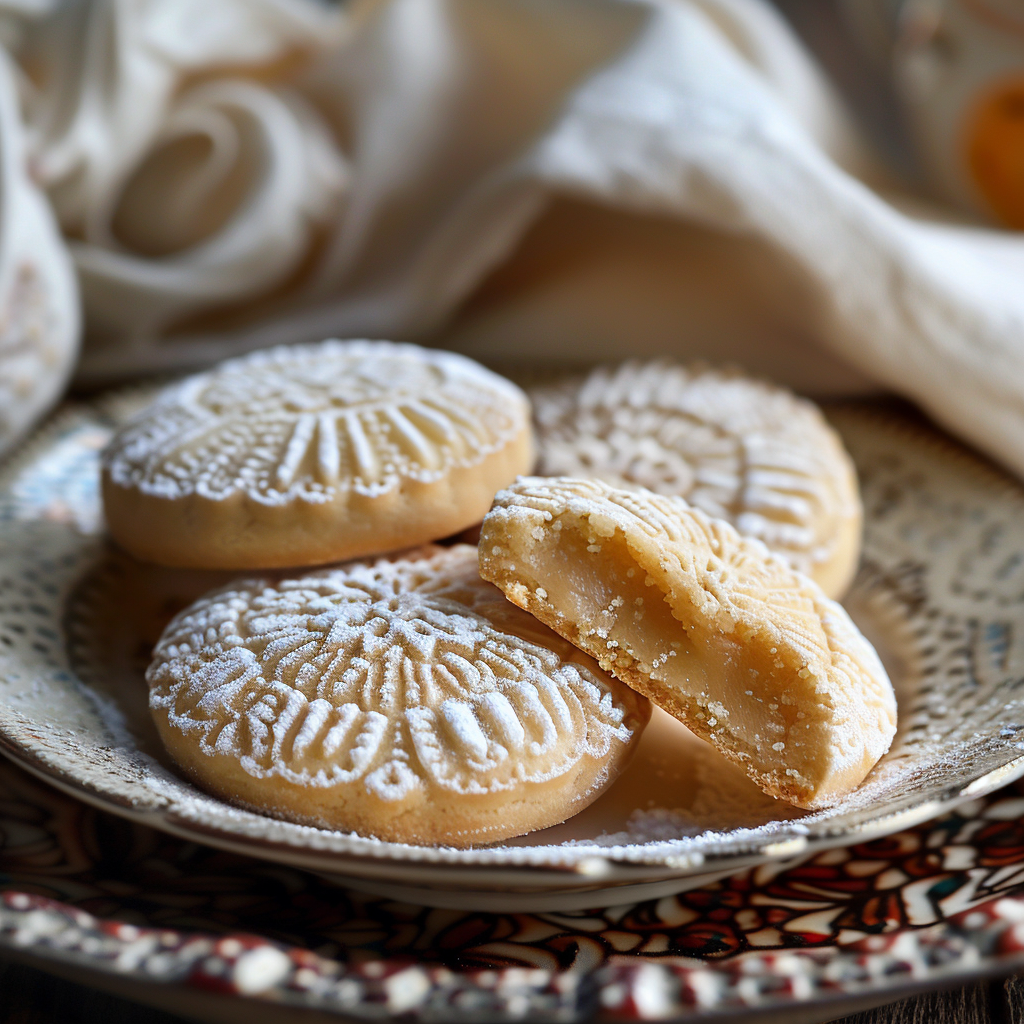
These delightful muffins don’t need much to look and taste fantastic. A light dusting of icing sugar adds a touch of elegance, highlighting their intricate patterns. You can even sprinkle a few toasted sesame seeds on top before baking if you want extra crunch and nuttiness that pairs beautifully with the filling.
Side Dishes
Serve your mamoul alongside traditional Arabic coffee or a soothing mint tea to balance the sweetness. A bowl of mixed nuts or dried fruit on the side creates a lovely snack platter, perfect for sharing during family gatherings or festive celebrations. The contrast of warm spices in the tea with the sweet, buttery biscuits is simply divine.
Creative Ways to Present
For a charming presentation, arrange the mamoul on a decorative plate, layering with fresh rose petals or sprigs of mint for a pop of color. Gift them in a beautiful box or tin with layered parchment paper for parties or to share with loved ones. Adding a tiny note about the Easy Homemade Mamoul (Eid biscuits) Recipe story will make this treat feel all the more special.
Make Ahead and Storage
Storing Leftovers
If you have leftovers, keep your mamoul in an airtight container at room temperature for up to 4 days. The biscuits maintain their texture and flavor nicely when stored properly, making them an excellent make-ahead treat.
Freezing
For longer storage, freeze mamoul in a single layer on a baking sheet first to prevent sticking, then transfer to a freezer-safe container or bag. Frozen mamoul can last up to 3 months. When you’re ready for a treat, thaw them at room temperature for a few hours—no reheating required!
Reheating
If you prefer your mamoul slightly warm, pop them in a preheated oven at low heat (around 150 degrees Celsius) for 5 minutes. This gently revives their fresh-baked aroma and softens them just enough without drying them out.
FAQs
Can I substitute butter with margarine or oil in this recipe?
While you can use margarine, butter is highly recommended for its rich flavor and texture that margarine or oil can’t replicate. Using oil alone may result in a less tender cookie and a different taste experience.
What other fillings work well in mamoul besides dates?
Classic alternatives include pistachio or walnut pastes, often sweetened and lightly spiced. You can also get creative with fig jam or a mix of chopped nuts with honey for a personal twist on this traditional favorite.
Is it necessary to use a mamoul mold?
Using a mold helps create the iconic patterned look of mamoul but isn’t essential. You can shape the biscuits by hand or use a fork to decorate before baking. The taste will be just as wonderful!
How do I know when the mamoul is perfectly baked?
You want a beautiful golden brown on the bottom with just a hint of color on the top. Overbaking can dry them out, so keeping a close eye during the last few minutes is key. They’re done when they smell buttery and look lightly toasted.
Can I make the dough ahead of time?
Absolutely! You can prepare the dough up to one day in advance and refrigerate it, wrapped tightly. Bring it back to room temperature before shaping for easier handling and the best texture.
Final Thoughts
There’s something truly rewarding about mastering the Easy Homemade Mamoul (Eid biscuits) Recipe and sharing its warm, inviting flavors with others. Each biscuit carries a story made from simple, honest ingredients and traditional techniques that bring a taste of Saudi Arabian heritage right into your kitchen. Don’t hesitate to try this at home; it’s an experience worth repeating, bite after buttery bite.