
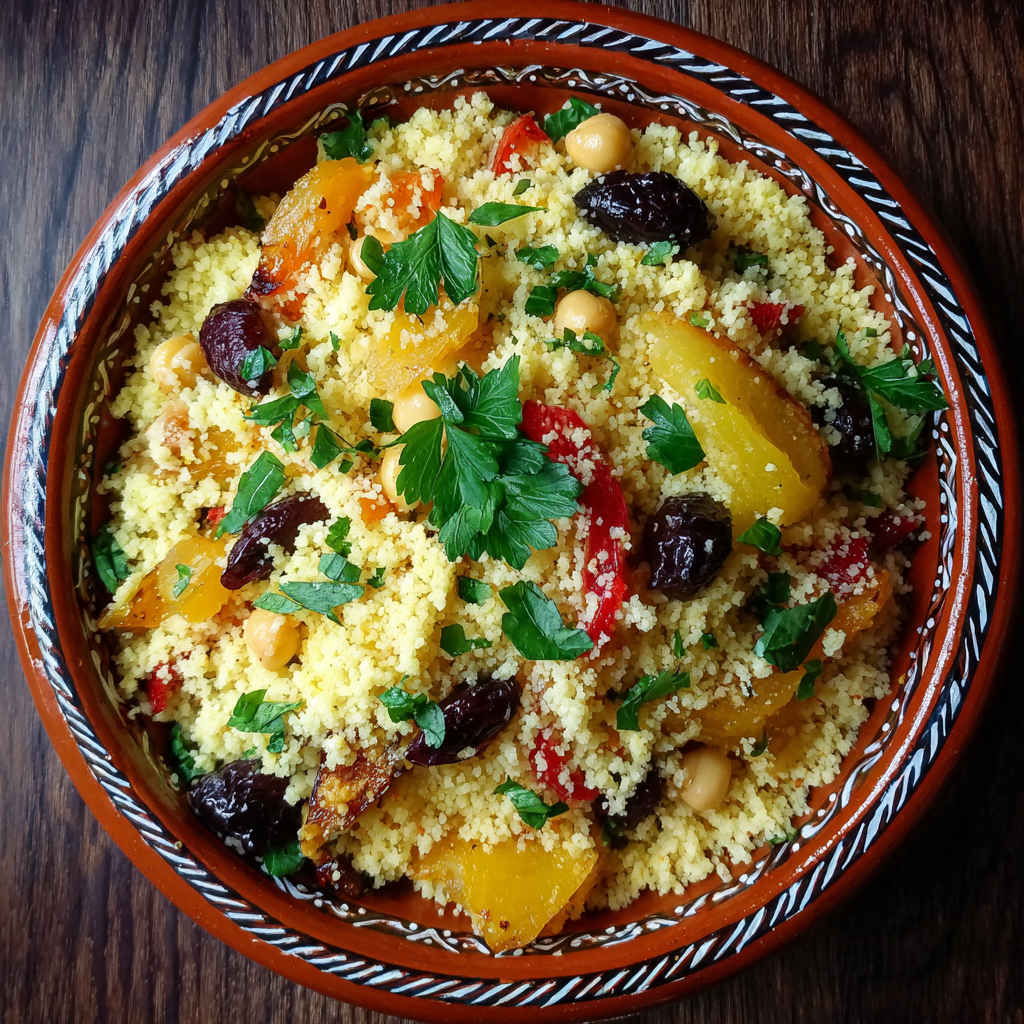
Traditional Couscous is more than just a meal; it is a celebration of flavors and textures that has been passed down through generations in North African cuisine. This hearty dish features perfectly steamed semolina grains paired with tender meat and a vibrant vegetable broth infused with warm spices, making it a comforting choice for family gatherings or special occasions. Its inviting aroma and balanced taste make Traditional Couscous a true culinary treasure that warms both the body and soul.
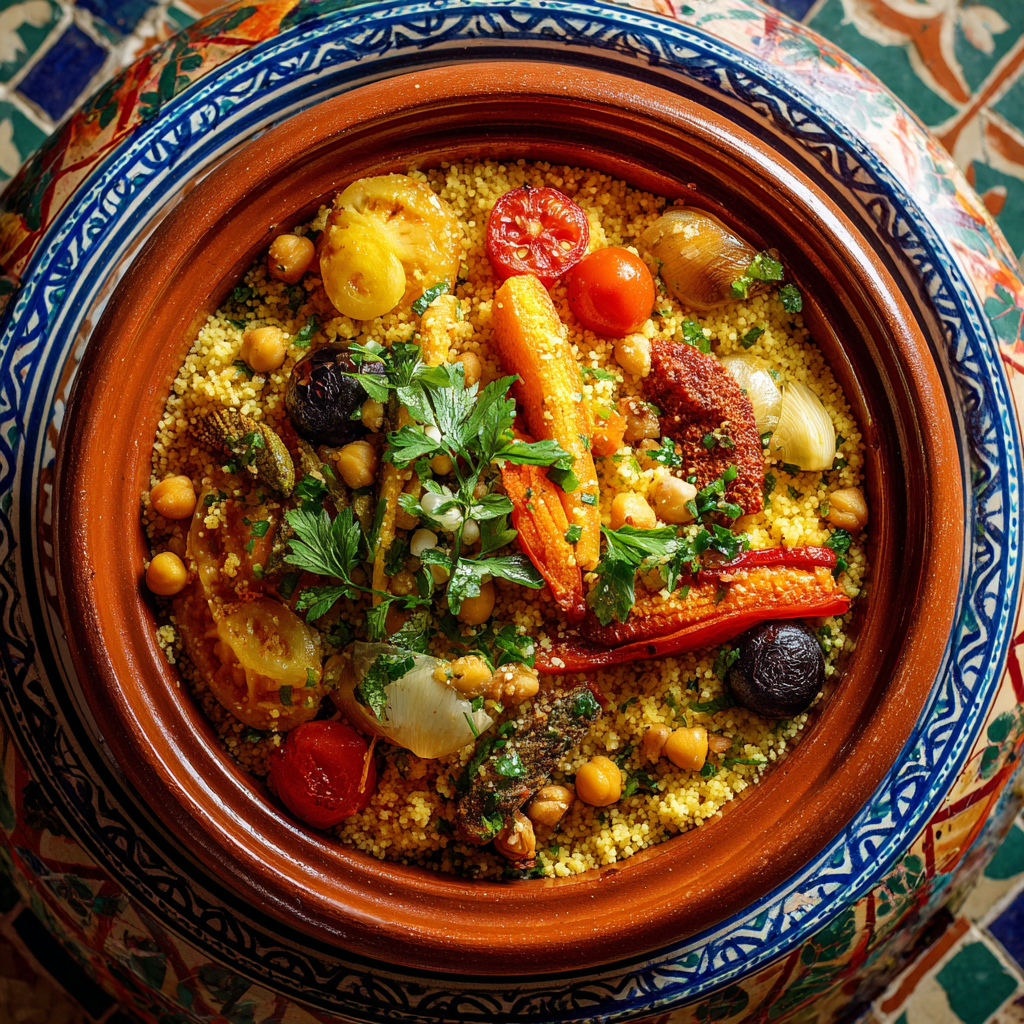
Ingredients You’ll Need
With Traditional Couscous, the beauty lies in the simplicity yet essential quality of each ingredient. Every component plays a pivotal role, from adding depth and color to creating that unforgettable aroma and texture — together, they form an irresistible dish.
- 500 g couscous semolina: The star ingredient, providing light, fluffy grains once perfectly steamed.
- 600 g lamb or chicken: Adds rich, tender protein that soaks up the broth’s flavors.
- 2 carrots (cut into chunks): Offers sweetness and a satisfying bite with each mouthful.
- 2 zucchinis: Contributes subtle freshness and lovely texture contrasts.
- 1 cup chickpeas (soaked overnight or canned): Adds creaminess and a hearty plant-based element.
- 1 onion (chopped): Provides a flavorful base once sautéed to softness.
- 2 tomatoes (grated): Instills a vibrant, slightly tangy backdrop in the broth.
- 3 tbsp olive oil: For richness and to beautifully sauté the onion and meat.
- 1 tsp turmeric: Brings warmth and a gentle earthiness, plus a lovely golden hue.
- 1 tsp ginger: Adds a subtle zing that brightens the whole dish.
- 1/2 tsp cinnamon: Provides a mild sweetness and exotic depth.
- Salt and pepper to taste: Essential seasonings that enhance every flavor.
- Water (about 1.5 liters): Needed to create the luscious broth that ties everything together.
How to Make Traditional Couscous
Step 1: Sauté the Onion and Meat
Begin by heating the olive oil in a large pot until shimmering. Add the chopped onion and sauté gently until it softens and becomes translucent, releasing its sweet aroma. Then, introduce your choice of meat—lamb or chicken—and cook until it develops a lovely golden-brown crust. This browning not only seals in flavor but creates a rich foundation for the broth.
Step 2: Build the Flavorful Broth
Next, stir in the grated tomatoes, turmeric, ginger, cinnamon, salt, and pepper. Mix everything well so the spices coat the meat evenly. Pour in the water and add the chickpeas, whether soaked overnight or canned. Bring it all to a gentle simmer, allowing the flavors to meld and the meat to tenderize beautifully. This process takes patience, but the resulting broth is worth every minute.
Step 3: Add the Vegetables
Once the meat has relaxed in that aromatic broth, gently add the carrot chunks and zucchini. Cook everything together until the vegetables are tender but still hold their shape, adding joyful bursts of color and texture to your Traditional Couscous.
Step 4: Steam the Couscous
While the broth simmers, it’s time to prepare the couscous semolina. Steaming the couscous separately is key here — do it two to three times to achieve that signature fluffy, light texture that makes this dish so special. This traditional steaming technique prevents clumping and infuses the grains with a delicate softness that simply melts on your tongue.
Step 5: Assemble and Serve
Finally, plate a generous mound of the fluffy couscous, then ladle the tender meat, vegetables, and flavorful broth on top. The steaming broth seeps into the grains, creating a harmonious bite that highlights the heartwarming essence of this Traditional Couscous recipe.
How to Serve Traditional Couscous
Garnishes
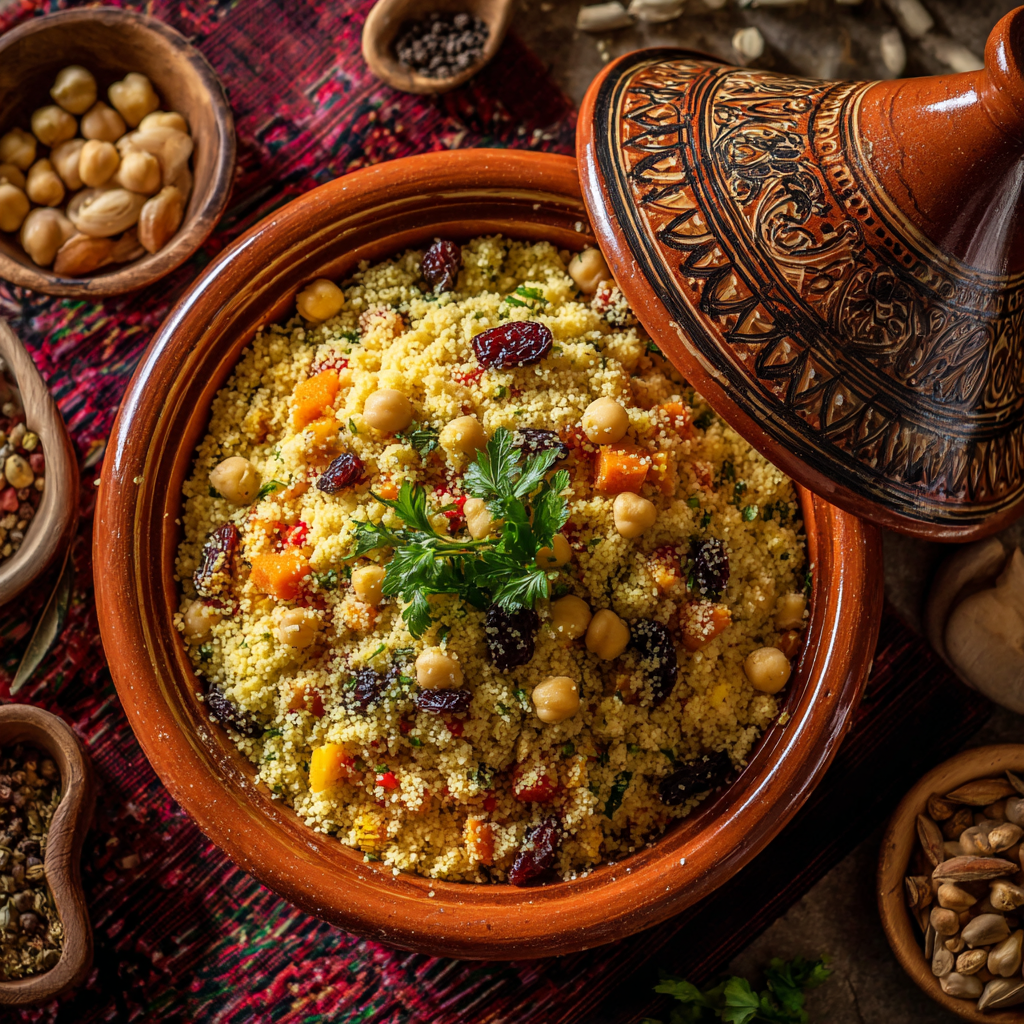
To elevate your Traditional Couscous, consider sprinkling freshly chopped cilantro or parsley over the top just before serving. A few toasted almonds or raisins can add delightful texture and sweetness, balancing the spices beautifully. These simple garnishes bring freshness and a pop of color that make each plate inviting.
Side Dishes
Traditional Couscous pairs wonderfully with crisp, refreshing salads like a cucumber and tomato salad dressed with lemon juice and olive oil. You could also serve it alongside warm, crusty bread to soak up every drop of the tasty broth. These accompaniments create a well-rounded feast that satisfies every craving.
Creative Ways to Present
For a stunning presentation, mound the couscous in a large, shallow serving dish and surround it with the meat and vegetables arranged in colorful sections. You might even try serving it family-style, so everyone can dig in and customize their plates. The communal aspect mirrors how this dish is enjoyed traditionally, adding to its magic.
Make Ahead and Storage
Storing Leftovers
If you have any leftovers, store the couscous and broth separately in airtight containers in the refrigerator. This keeps the couscous from absorbing too much liquid and becoming mushy. Properly stored, they will stay fresh for up to 3 days, making for convenient next-day meals.
Freezing
Freezing Traditional Couscous is best done with the broth and meat mixture, rather than the couscous itself. The broth freezes well and can be thawed and reheated with ease, while couscous tends to lose its fluffy texture when frozen. Keep the couscous in the fridge and reheat separately for best results.
Reheating
To reheat, gently warm the broth and meat on the stovetop, stirring occasionally to prevent sticking. The couscous can be refreshed by steaming for a few minutes or microwaving with a splash of water to regain its softness. This will bring your leftovers back to life deliciously.
FAQs
What type of meat works best in Traditional Couscous?
Lamb is the classic choice, lending richness and depth, but chicken or beef are excellent substitutions depending on your preference. Each brings its own character while maintaining the dish’s hearty nature.
Can I make Traditional Couscous vegetarian?
Absolutely! Simply substitute the meat with extra vegetables like eggplant, sweet potato, and bell peppers, adding more chickpeas for protein. The spice-infused broth is flavorful enough to stand alone.
Why is steaming the couscous important?
Steaming couscous multiple times ensures that the grains stay light and fluffy rather than clumpy or dense. This traditional technique enhances the texture dramatically and is key to an authentic experience.
Can I use quick-cooking couscous?
While quick-cooking couscous saves time, it doesn’t deliver the same fluffy, textured results as traditional steaming. If time is short, it can work, but for true Traditional Couscous, steaming semolina is preferred.
How spicy is Traditional Couscous?
The dish is generally mildly spiced, focusing on warm and aromatic spices rather than heat. You can adjust the seasoning to your taste, adding chili flakes or harissa for a kick if you like things spicier.
Final Thoughts
There is something truly special about making and sharing Traditional Couscous that connects you to a beautiful history and culture. It invites you to savor every bite with gratitude for its rich flavors and comforting textures. I encourage you to try this recipe and experience the joy of a dish that has warmed hearts for generations. Trust me, once you taste it, it will become a beloved staple in your kitchen too.